
Abdominal Wall Reconstruction (Hernia Surgery)

Comprehensive Surgical Treatment for Hernias

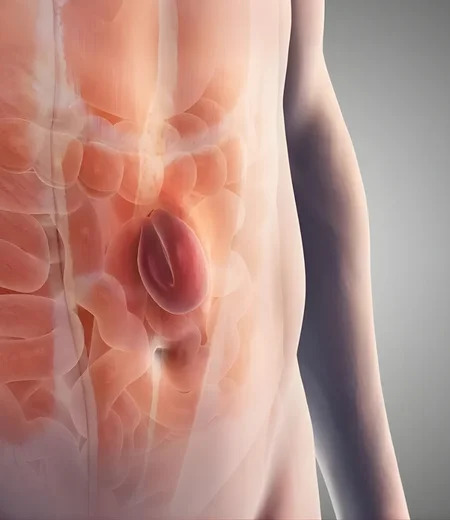
Hernia is a common surgical condition that occurs when an internal organ or tissue pushes through a weakened area of the abdominal wall. While some hernias may initially appear small or painless, they can gradually enlarge and lead to discomfort, complications, or even emergency situations if left untreated.

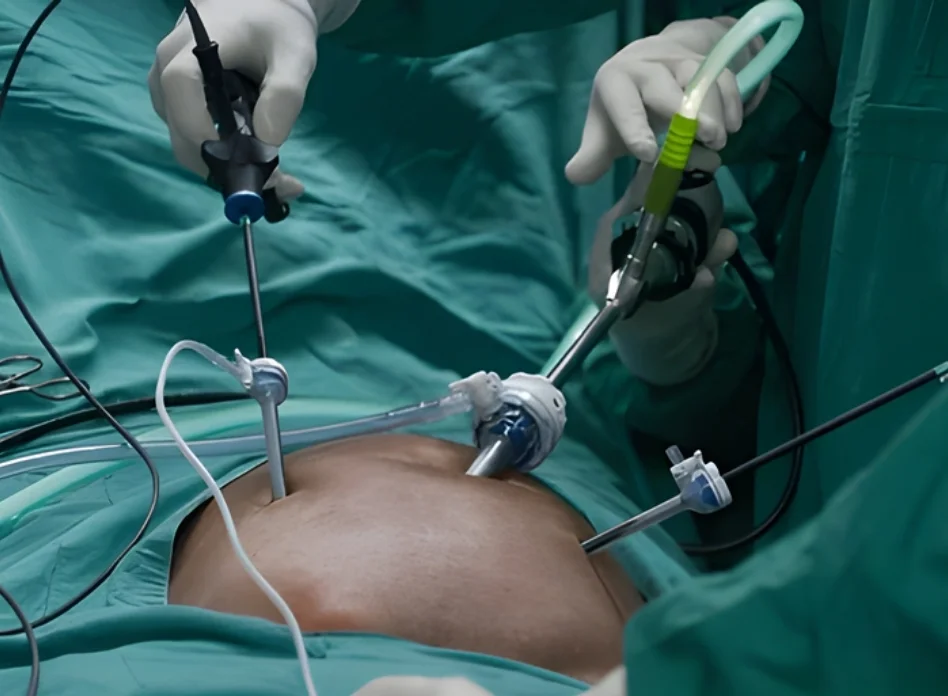
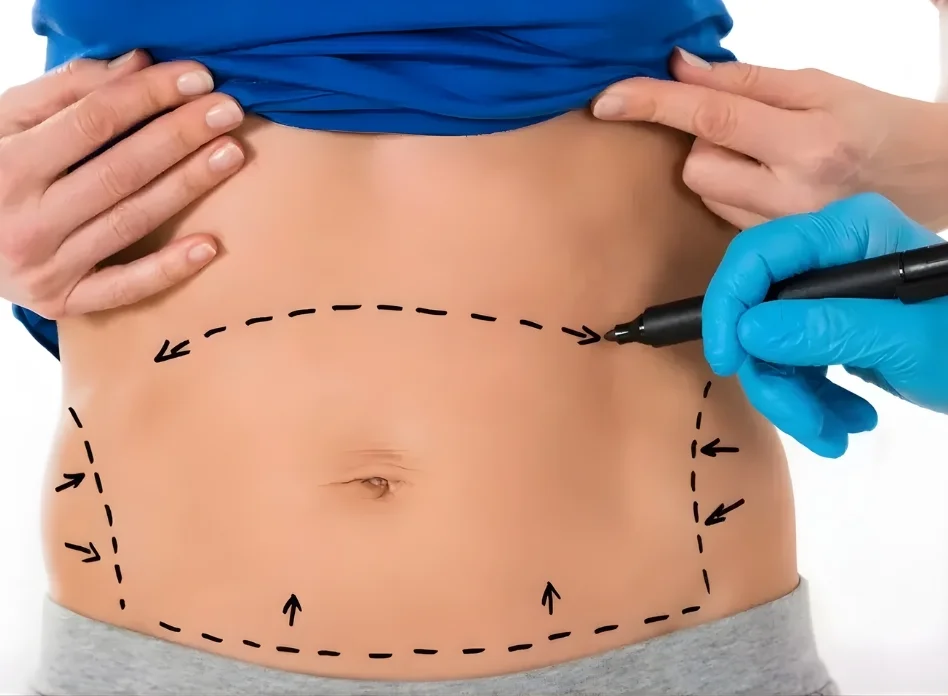
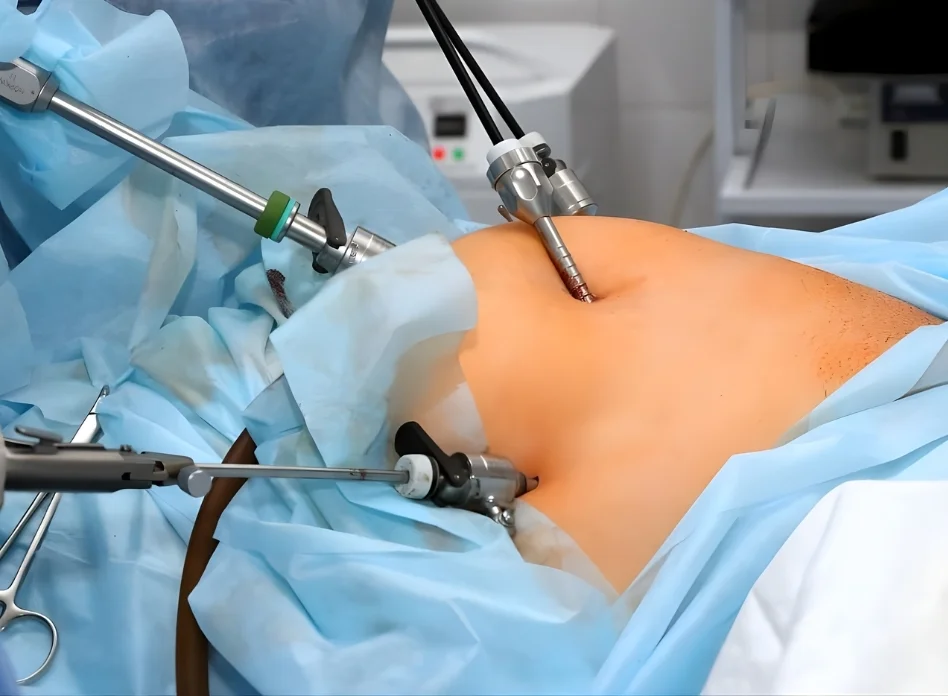
Abdominal Wall Reconstruction and Hernia Surgery focuses on repairing these defects, strengthening weakened muscles, and restoring the normal structure and function of the abdominal wall. Modern surgical techniques, including laparoscopic and minimally invasive approaches, allow for safer procedures, reduced pain, and faster recovery.

Timely surgical intervention not only relieves symptoms but also prevents serious complications such as obstruction or strangulation.

Signs and Symptoms Of Hernia

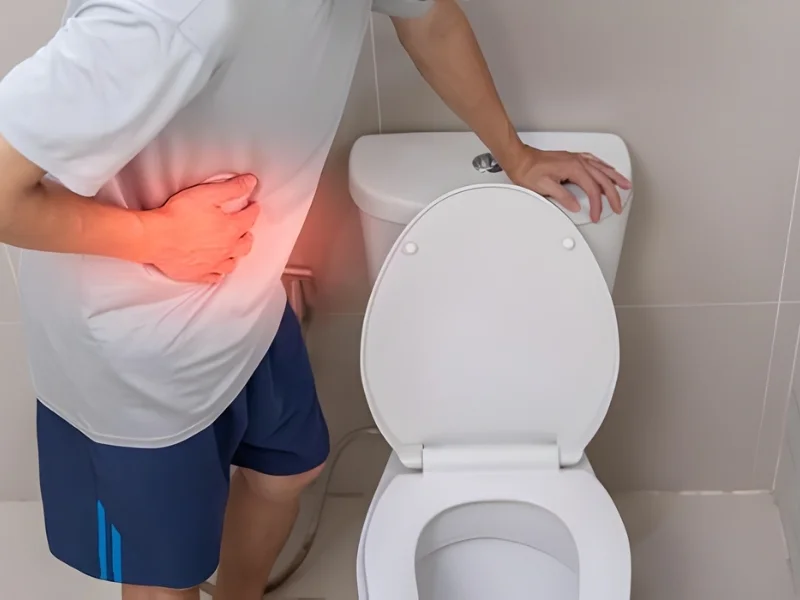
Symptoms vary depending on the type and location of the hernia, but common warning signs include:

Pain or discomfort

A dull ache or sharp pain, especially during lifting, bending, or prolonged activity.

Visible bulge or swelling

A noticeable lump in the abdomen or groin that may become more prominent while standing, coughing, or straining.

Nausea or vomiting (in severe cases)

May indicate obstruction and requires urgent medical attention.

Heaviness or pressure sensation

A dragging or fullness feeling in the affected area.

Burning or aching at the site

Localized discomfort around the hernia.

Pain while coughing or straining

Increased abdominal pressure can worsen symptoms.

Risk Factors For Hernia Development

Several factors may increase the risk of developing an abdominal wall hernia. Identifying these risk factors helps in early diagnosis and preventive care.

Weak abdominal muscles

Chronic cough

Obesity

Heavy lifting

Chronic constipation or straining

How is Hernia Evaluated?

Accurate diagnosis is essential before planning surgical repair. A structured evaluation helps determine the type of hernia, its size, contents, severity, and whether complications are present. Proper assessment also ensures that the chosen surgical technique is safe, effective, and tailored to the patient’s overall health condition.

Detailed Clinical Examination

A thorough physical examination is performed to assess the size, location, reducibility (whether the hernia can be pushed back), and tenderness of the swelling. The surgeon may ask the patient to cough or strain to better evaluate the defect.

Ultrasound Examination

Ultrasound imaging helps confirm the presence of a hernia and identify the contents within the sac, such as intestine or fatty tissue. It is particularly useful in small or doubtful cases.

CT Scan (in Complex Cases)

In large, recurrent, or complicated hernias, a CT scan provides detailed imaging of the abdominal wall. It helps assess muscle weakness, defect size, and surrounding structures for precise surgical planning.

Assessment of General Health

Evaluation of associated medical conditions such as diabetes, obesity, hypertension, or heart disease is important to minimize surgical risks and optimize recovery.

Pre-Anesthesia Checkup

A complete anesthesia fitness evaluation ensures that the patient is medically prepared for surgery and reduces perioperative risks.

Recovery After Hernia Surgery

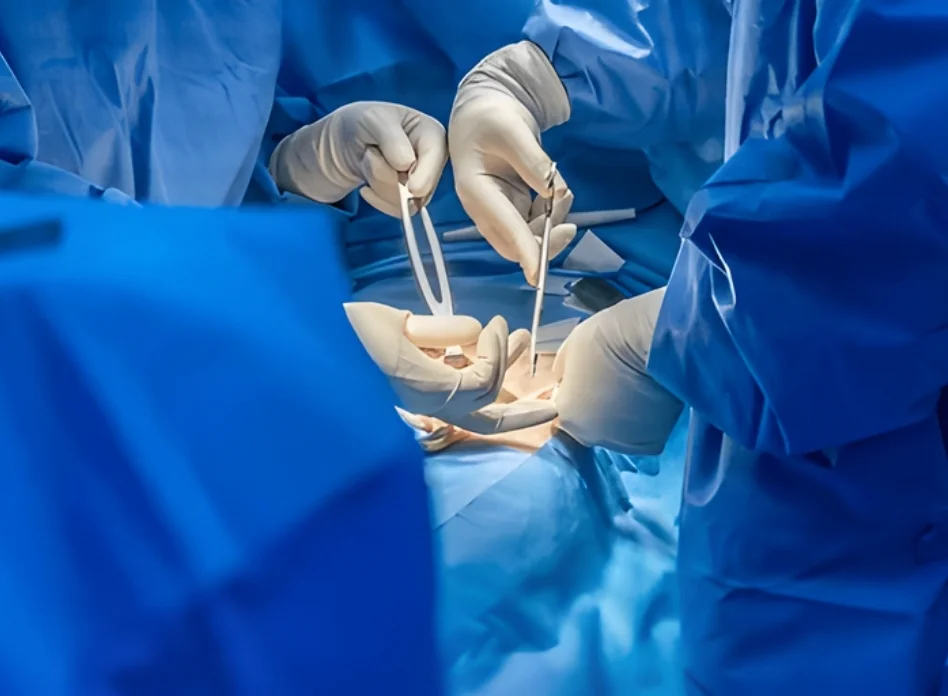
Recovery depends on the type and complexity of the repair, as well as the patient’s overall health. With modern open and laparoscopic techniques, most patients experience faster healing and earlier return to routine activities.

With appropriate care, lifestyle adjustments, and adherence to medical advice, most patients resume normal daily activities within a few weeks while maintaining long-term abdominal wall strength.

Pain management

Effective postoperative pain control through medications helps improve comfort and allows early movement.

Early Mobilization

Patients are encouraged to walk within hours of surgery to reduce the risk of blood clots and promote faster recovery.

Wound Care Guidance

Clear instructions are provided to maintain cleanliness of the surgical site and monitor for signs of infection.

Gradual Return to Normal Activities

Light activities can usually be resumed within a few days, while heavy lifting and strenuous exercise are restricted for a specified period.

Regular follow-up visits

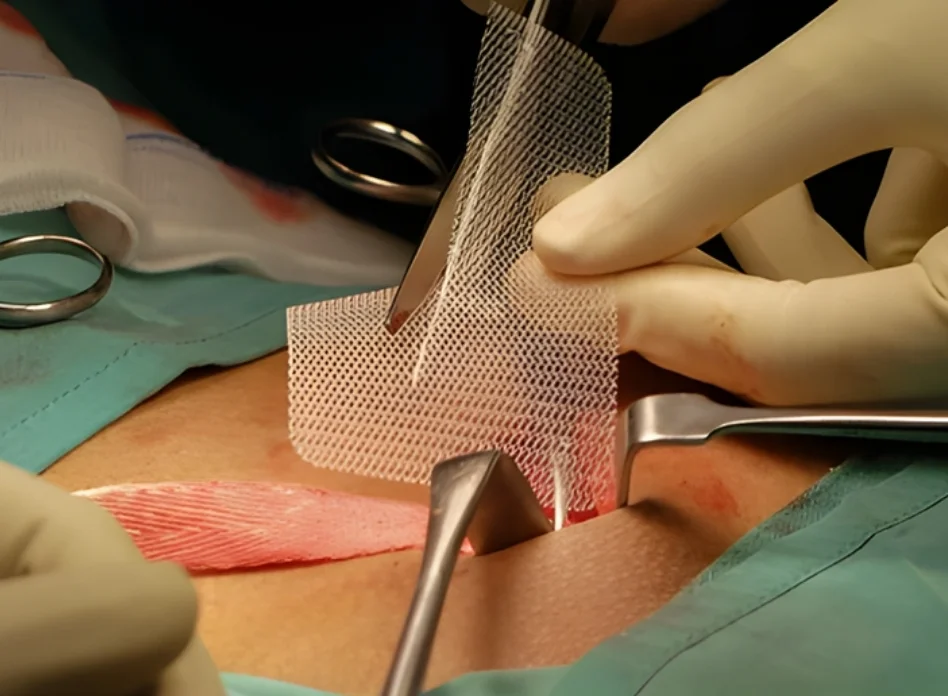
Regular checkups help monitor healing, ensure proper mesh integration (if used), and reduce the risk of recurrence.

Our Abdominal Wall Surgical Services

A Word From Dr. Dhaval

"Every abdominal wall reconstruction requires careful planning, precise technique, and long-term support for optimal results."

Dr. Dhaval Patel
MCh (Gastrosurgery), MS, MBBS

Frequently Asked Questions (FAQs)

No. Hernias do not heal on their own and typically require surgical repair.

Modern techniques significantly reduce postoperative pain, and effective pain management ensures comfort.

Many hernia surgeries are performed as day-care procedures or require a short hospital stay.

With proper surgical technique and postoperative care, recurrence rates are low.

Most patients return to light activities within 1–2 weeks, depending on the procedure.

Dr. Dhaval Patel
MCh (Gastrosurgery), MS, MBBS

"Hernia repair is not just about closing a defect, it’s about restoring strength, preventing recurrence, and helping patients return confidently to their normal lives."

Book Your Consultation With Dr. Dhaval

Don’t ignore persistent swelling, discomfort, or abdominal pain. Early evaluation and timely surgical repair can prevent complications and ensure long-term abdominal strength and comfort.

Scroll to Top