
Esophageal Cancer Surgery
Advanced Surgical Treatment for Esophageal Cancer
Esophageal cancer affects the esophagus, the tube that carries food from the mouth to the stomach. It is a serious condition that requires early diagnosis and specialized treatment. Surgical removal of the tumor remains one of the most effective treatment options, especially in early and locally advanced stages.
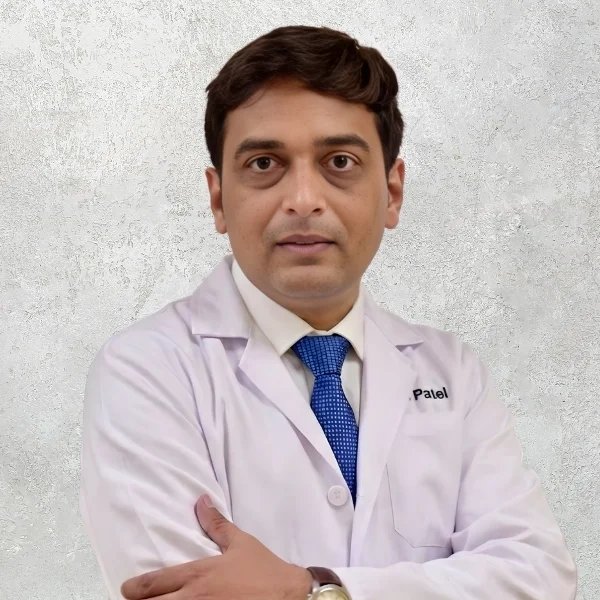
Dr. Dhaval Patel provides comprehensive evaluation and advanced surgical management for esophageal cancer, focusing on oncologic safety, precision, and improved long-term outcomes.
Signs and Symptoms of Esophageal Cancer
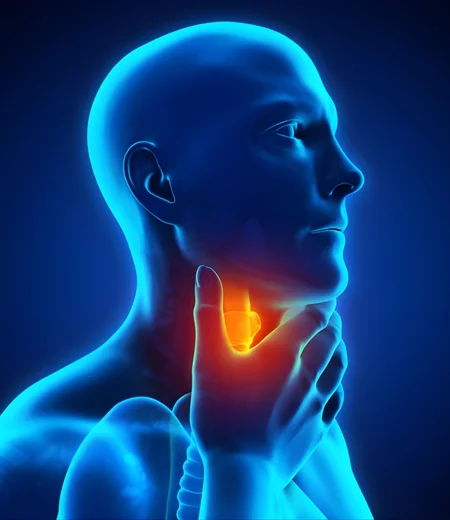
Difficulty Swallowing (Dysphagia)
Progressive trouble swallowing, first with solid foods and later liquids, is one of the most common early warning signs.

Unexplained Weight Loss
Significant, unintentional weight loss may occur due to reduced food intake and cancer-related metabolic changes.
Chest Pain or Discomfort
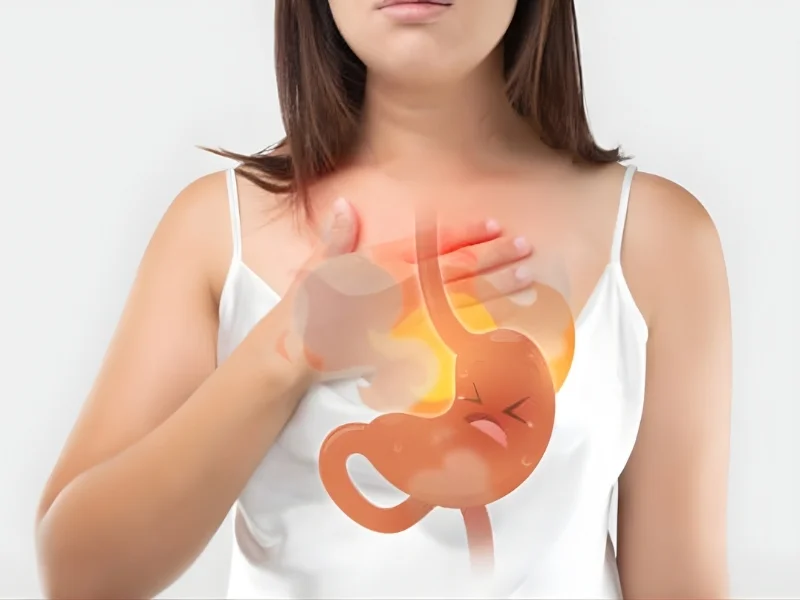
Persistent pain, pressure, or burning sensation behind the breastbone should be medically evaluated.
Persistent Vomiting
Recurrent vomiting or difficulty keeping food down may indicate obstruction in the esophagus.
Regurgitation of Food
Food coming back into the mouth without nausea can occur due to narrowing of the esophageal passage.
Chronic Cough or Hoarseness
Ongoing cough or voice changes may develop if the tumor affects nearby nerves or airways.

Risk Factors For Esophageal Cancer
Chronic Acid Reflux (GERD)
Tobacco Use
Excessive Alcohol Consumption
Obesity
Poor Dietary Habits
Barrett’s Esophagus
Esophageal Cancer Surgery
Diagnosis & Staging
Upper GI Endoscopy with Biopsy
CT Scan / PET-CT
CT Scan / PET-CT
Endoscopic Ultrasound (EUS)
Blood Tests & Fitness Assessment
Why Consult Dr. Dhaval Patel?
Choosing the right surgeon plays a crucial role in achieving safe surgical outcomes and long term cancer control. Dr. Dhaval Patel combines specialized gastrointestinal cancer expertise with advanced surgical techniques and comprehensive patient centered care to deliver optimal results.
Expertise in Gastrointestinal Cancer Surgery
Extensive experience in managing complex GI cancers with a focus on safe and effective tumor removal.
Experience in Minimally Invasive Techniques
Skilled in advanced laparoscopic approaches when appropriate to reduce pain and recovery time.
Multidisciplinary Treatment Planning
Works closely with oncologists, radiologists, and critical care teams for comprehensive cancer care.
Comprehensive Preoperative Evaluation
Ensures detailed staging and patient optimization before surgery for improved safety.
Structured Long-Term Follow Up Care
Provides ongoing monitoring and support to detect recurrence early and maintain overall health.
Frequently Asked Questions (FAQs)
Esophageal cancer can be treated successfully, especially when diagnosed at an early stage. Surgery, often combined with chemotherapy or radiation therapy, offers the best chance for long-term control.
The most common procedure is esophagectomy, where the cancerous portion of the esophagus is removed and reconstruction is performed to restore swallowing function.
In selected cases, minimally invasive (laparoscopic or thoracoscopic) techniques may be used. Suitability depends on tumor stage, location, and patient health.
Hospital stay usually ranges from 7–14 days depending on recovery and overall health. Full recovery may take several weeks to months.
Most patients gradually return to oral intake after recovery. Dietary adjustments and small frequent meals are usually recommended initially.
Dr. Dhaval Patel
MCh (Gastrosurgery), MS, MBBS

"Every patient deserves clear guidance, advanced surgical precision, and compassionate care throughout their cancer journey."
Book Your Consultation With Dr. Dhaval
Early evaluation can make a significant difference in treatment success and long-term outcomes. If you or a loved one is experiencing symptoms of esophageal cancer, do not delay medical consultation.