
Rectum Cancer Surgery

Advanced Surgical Treatment for Rectal Cancer

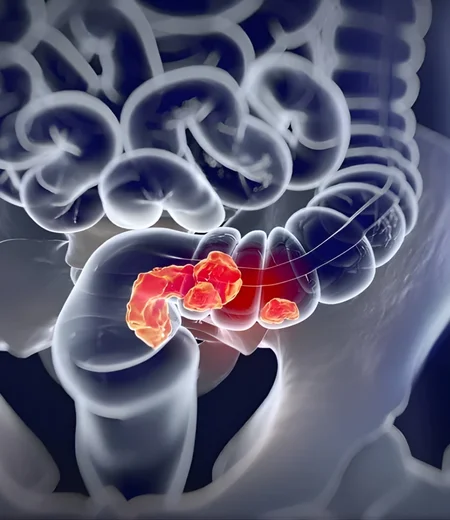
Rectal cancer develops in the rectum, the last several centimeters of the large intestine before the anus. Because of its location within the pelvis and close proximity to vital structures, rectal cancer requires highly precise surgical planning and technique. Early diagnosis and stage-appropriate treatment significantly improve outcomes.

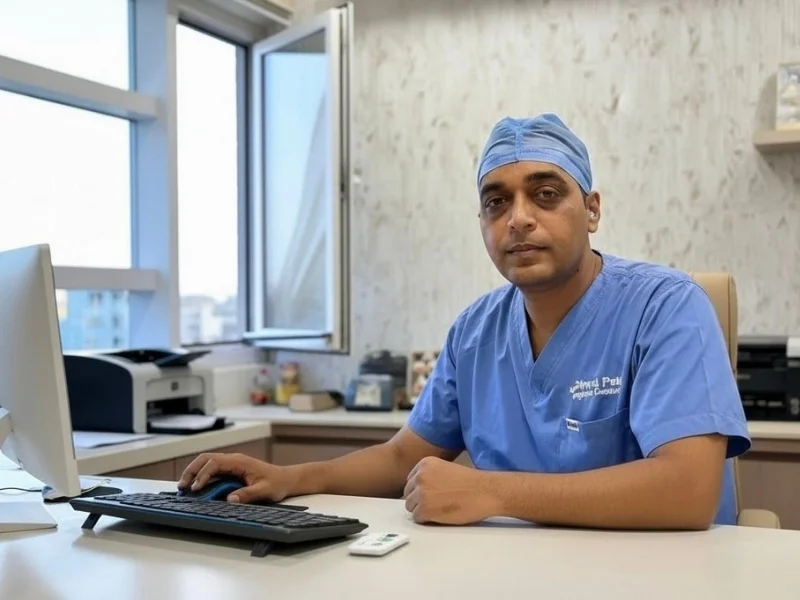
Surgery remains the cornerstone of treatment for localized and many locally advanced rectal cancers. Dr. Dhaval Patel provides comprehensive evaluation and evidence-based surgical management, focusing on complete tumor removal while preserving bowel function whenever possible.

Signs and Symptoms of Rectal Cancer

Rectal Bleeding

Blood in stool or bleeding during bowel movements is a common early symptom.

Intestinal Obstruction (Advanced Cases)

Severe abdominal distension, vomiting, and inability to pass stool or gas.

Tenesmus (Incomplete Evacuation Feeling)

Sensation of needing to pass stool even after bowel movement.

Change in Bowel Habits

Persistent constipation, diarrhea, or narrowing of stools.

Pelvic or Rectal Pain

Discomfort or pressure in the lower abdomen or pelvis.

Fatigue or Weakness

Often related to anemia caused by chronic bleeding.

Risk Factors For Rectal Cancer

Colon or Rectal Polyps

Inflammatory Bowel Disease

Low-Fiber, High-Fat Diet

Obesity

Smoking and Alcohol Use

Family History of Colorectal Cancer

Rectum Cancer Surgery

Diagnosis & Staging

Colonoscopy with Biopsy

Colonoscopy with Biopsy

Contrast-Enhanced CT Scan

Contrast-Enhanced CT Scan

MRI Pelvis

MRI Pelvis

PET-CT (if required)

PET-CT (if required)

Surgical Treatment Options

Why Consult Dr. Dhaval Patel?

Choosing the right surgeon plays a crucial role in achieving safe surgical outcomes and long term cancer control. Dr. Dhaval Patel combines specialized gastrointestinal cancer expertise with advanced surgical techniques and comprehensive patient centered care to deliver optimal results.

Expertise in Gastrointestinal Cancer Surgery

Extensive experience in managing complex GI cancers with a focus on safe and effective tumor removal.

Experience in Minimally Invasive Techniques

Skilled in advanced laparoscopic approaches when appropriate to reduce pain and recovery time.

Multidisciplinary Treatment Planning

Works closely with oncologists, radiologists, and critical care teams for comprehensive cancer care.

Comprehensive Preoperative Evaluation

Ensures detailed staging and patient optimization before surgery for improved safety.

Structured Long-Term Follow Up Care

Provides ongoing monitoring and support to detect recurrence early and maintain overall health.

Frequently Asked Questions (FAQs)

Yes. Although both are colorectal cancers, rectal cancer requires specialized surgical techniques due to its pelvic location.

In many locally advanced cases, radiation therapy is recommended before surgery to reduce tumor size.

In many cases, sphincter-preserving surgery (LAR) is possible depending on tumor location.

Hospital stay usually ranges from 5–7 days, depending on the procedure and recovery.

Regular follow-ups with clinical evaluation, imaging, and tumor marker tests are essential.

Dr. Dhaval Patel
MCh (Gastrosurgery), MS, MBBS

"Every patient deserves clear guidance, advanced surgical precision, and compassionate care throughout their cancer journey."

Book Your Consultation With Dr. Dhaval

Timely diagnosis and expert surgical care are crucial for successful rectal cancer treatment. If you or a loved one is experiencing symptoms, do not delay evaluation.

Scroll to Top