
Bariatric Surgery in Ahmedabad

Bariatric Surgery for Obesity
Bariatric and metabolic surgery provides a long-term treatment option for individuals struggling with severe obesity and obesity-related disorders. These procedures work by reducing stomach capacity and, depending on the procedure, changing the way food is digested and how the body responds to food.
Bariatric surgery is not only focused on reducing body weight. In suitable patients, it can also help improve conditions associated with obesity, including Type 2 diabetes, high blood pressure, sleep apnea, and other metabolic problems.
With minimally invasive laparoscopic techniques, bariatric procedures can be performed through small incisions, allowing patients to begin recovery and return to routine activities as advised by their surgical team.
Proper patient selection, preparation, and regular follow-up are important parts of bariatric and metabolic surgery.
Our Bariatric Surgical Services
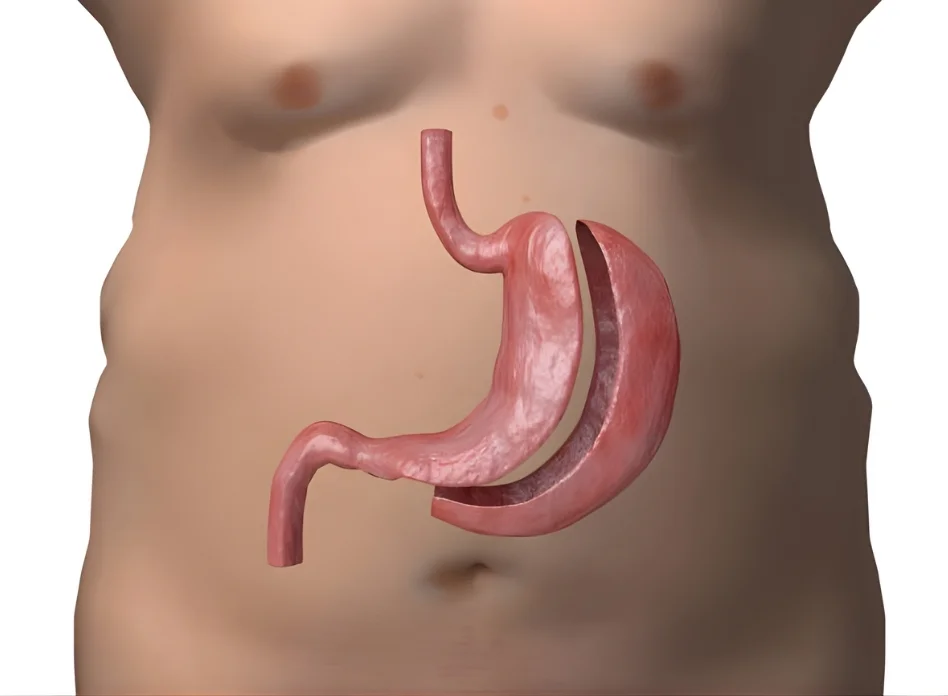
Sleeve Gastrectomy
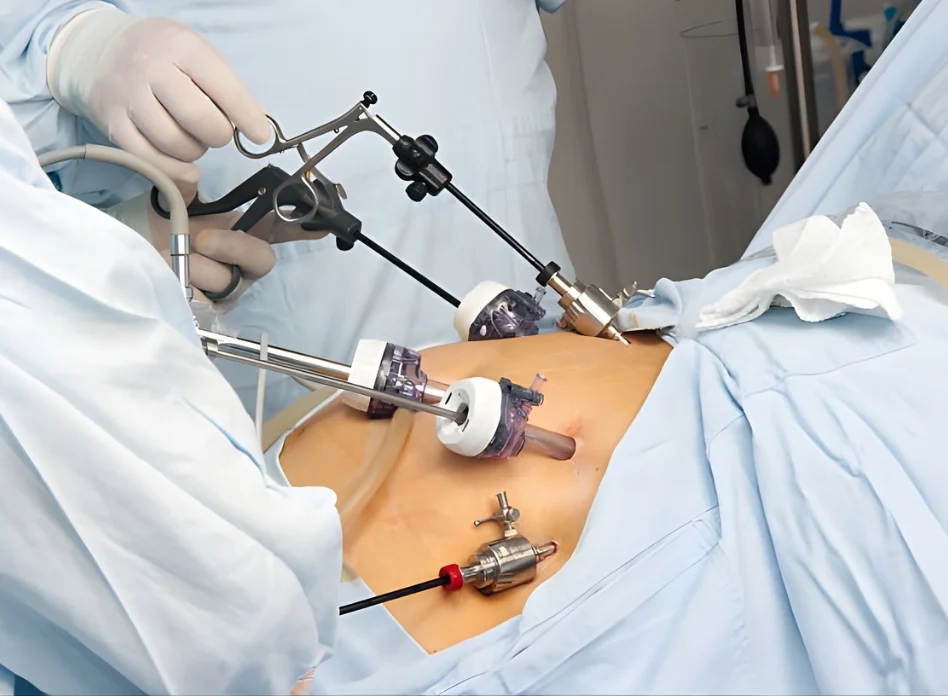
Gastric Bypass Surgery

Mini Gastric Bypass

Metabolic Surgery for Type 2 Diabetes

Revisional Bariatric Surgery
How is a Patient Evaluated for Bariatric Surgery?
Proper assessment is essential before planning bariatric or metabolic surgery. A structured evaluation helps determine whether surgery is appropriate and which procedure may be suitable for the individual patient.
Detailed Clinical Examination
A thorough assessment of weight history, duration of obesity, previous weight-loss attempts, associated medical conditions such as diabetes or hypertension, and overall physical health.
Body Mass Index (BMI) Assessment
Accurate calculation of BMI to determine the severity of obesity and assess surgical eligibility along with other clinical factors.
Blood Investigations
Comprehensive blood tests to evaluate blood sugar levels, cholesterol profile, liver and kidney function, thyroid levels, and nutritional status.
Cardiac & Pulmonary Evaluation
Heart and lung assessments to ensure the patient is fit for anesthesia and surgery, especially in individuals with obesity-related complications.
Nutritional Assessment
Evaluation of eating patterns and dietary habits, along with counseling on post-surgery nutritional progression and long-term supplementation.
Psychological Evaluation
Assessment of emotional readiness, eating behaviors, and the ability to commit to lifestyle modifications required after surgery.
Recovery After Bariatric Surgery
Recovery is generally smooth with minimally invasive techniques and structured follow-up care.
With proper adherence to dietary guidelines and lifestyle modifications, patients can gradually lose weight and may experience improvement in obesity-related health conditions.

Pain management
Effective control of postoperative discomfort to promote early mobility.
Early mobilization
Walking is encouraged within hours of surgery to reduce complications.
Gradual dietary progression
Transition from liquids to soft foods and eventually regular meals under medical supervision.
Vitamin & mineral supplementation
Long-term supplementation to prevent nutritional deficiencies.
Regular follow-up visits
Monitoring weight loss progress, nutritional balance, and overall health improvement.
Can Bariatric Surgery Help With Type 2 Diabetes?
Bariatric and metabolic surgery can improve blood sugar control in selected patients with Type 2 diabetes. The effect varies from patient to patient and depends on factors such as the duration of diabetes, existing pancreatic function, body weight, and the procedure performed.
The decision to consider metabolic surgery is made after a detailed medical evaluation.
A Word From Dr. Dhaval

Frequently Asked Questions (FAQs)
When performed after proper evaluation by an experienced surgical team, bariatric surgery is considered a safe treatment option for appropriately selected patients. As with any surgery, there are potential risks that are discussed before the procedure.
Most patients lose 60–80% of excess body weight over time, depending on the procedure and adherence to lifestyle changes.
Many patients experience significant improvement or even remission of Type 2 diabetes following metabolic surgery.
The duration of hospital stay depends on the type of procedure, the patient's recovery, and any medical conditions that require additional observation.
Yes. Bariatric surgery requires long-term changes in eating habits. Patients are also advised regarding vitamin and mineral supplementation and regular follow-up.
Dr. Dhaval Patel
MCh (Gastrosurgery), MS, MBBS

"Bariatric surgery is not just about reducing weight, it is about restoring health, improving metabolic balance, and helping patients regain control of their lives."
Book Your Consultation With Dr. Dhaval
If you are struggling with severe obesity or obesity-related health conditions, a detailed evaluation can help determine whether bariatric or metabolic surgery is appropriate for you. Consult Dr. Dhaval to discuss your condition and treatment options.

