
Robotic Surgery in Ahmedabad

invasive care

Next-Generation Precision for Minimally Invasive Care

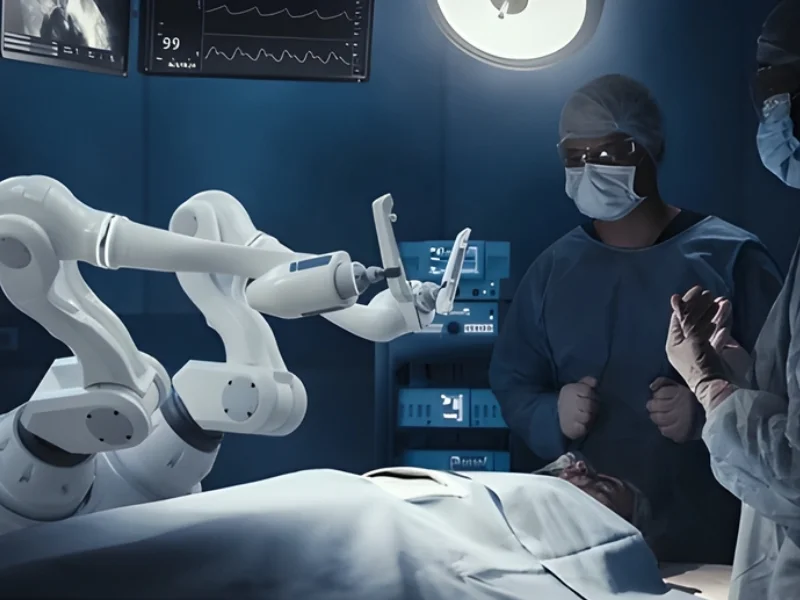
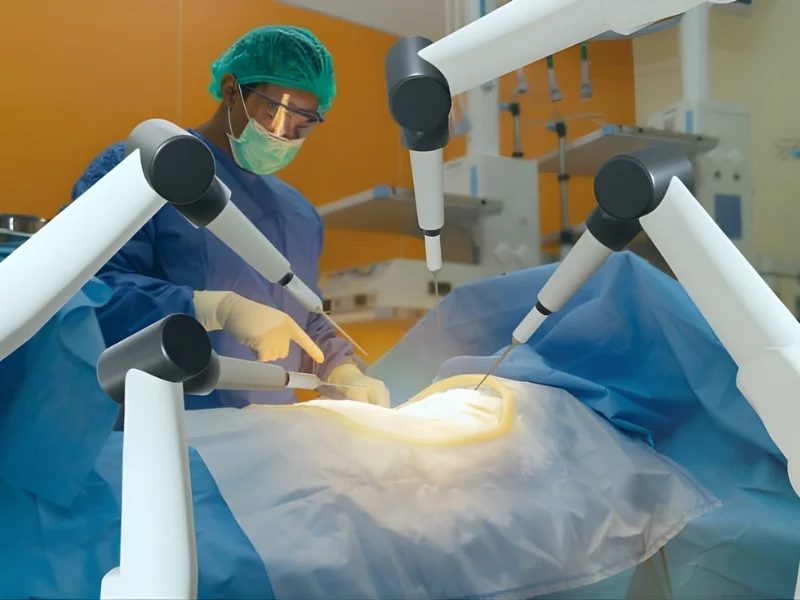
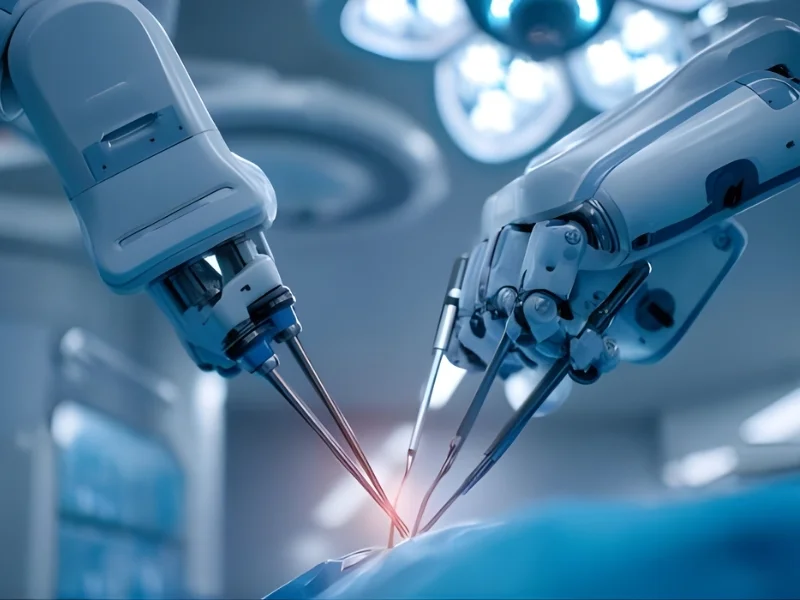
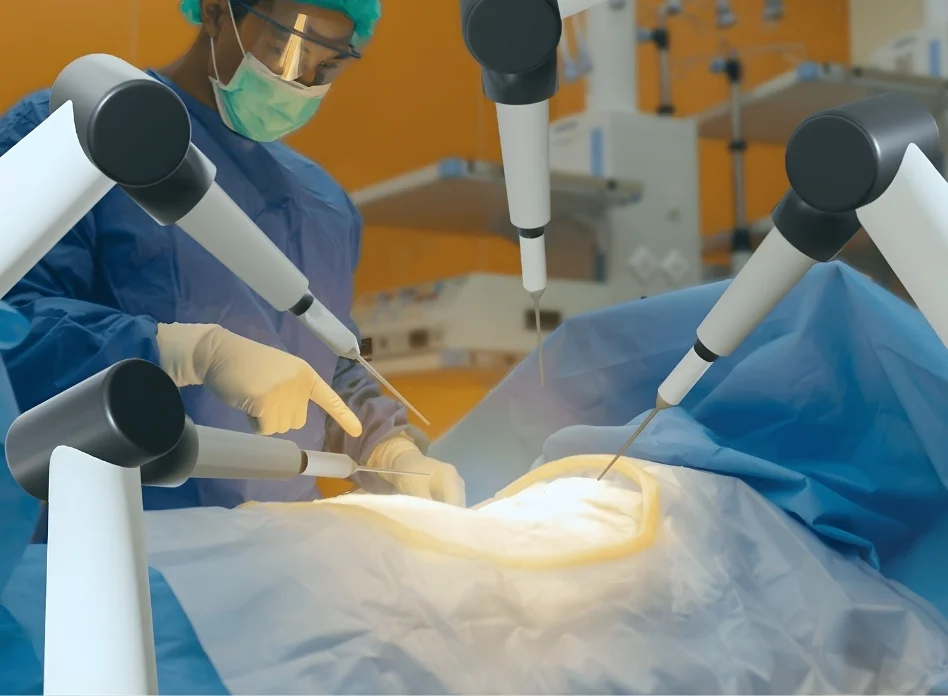
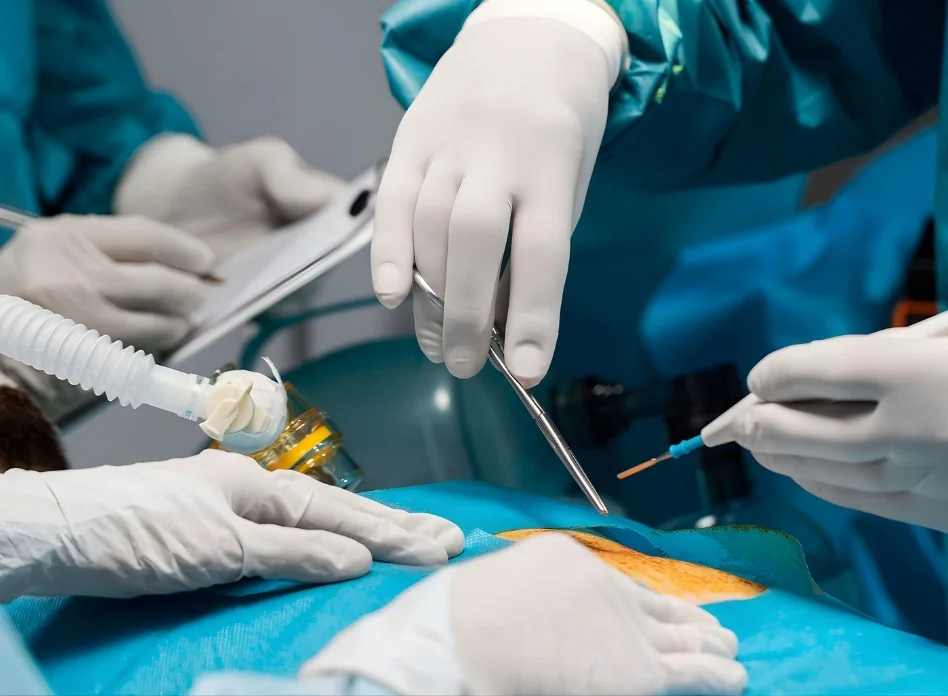
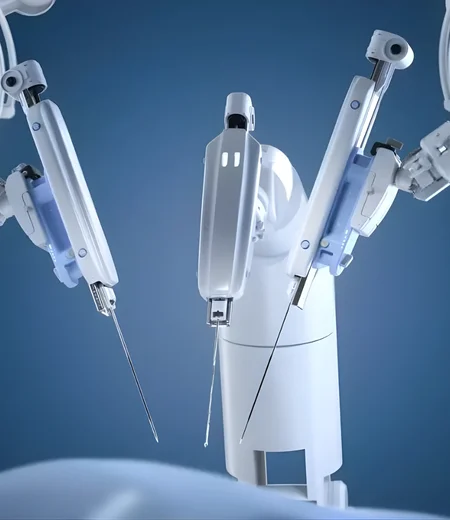
Advanced Robotic Surgery represents the latest advancement in minimally invasive surgical care. It uses a robotic-assisted system with high-definition 3D visualization and wristed instruments to perform complex procedures with exceptional precision and control.

Compared to traditional open surgery, robotic-assisted approaches offer reduced pain, minimal scarring, shorter hospital stay, and faster return to daily activities. The enhanced dexterity and visualization allow surgeons to operate with greater accuracy, especially in delicate and confined anatomical areas.

Early use of robotic technology not only improves surgical outcomes but also enhances patient safety, comfort, and recovery.

Conditions Treated with Robotic Surgery

Each patient is carefully evaluated to determine whether robotic surgery provides added benefit over other surgical approaches. Robotic-assisted surgery is used for a wide range of complex abdominal and gastrointestinal conditions, including:

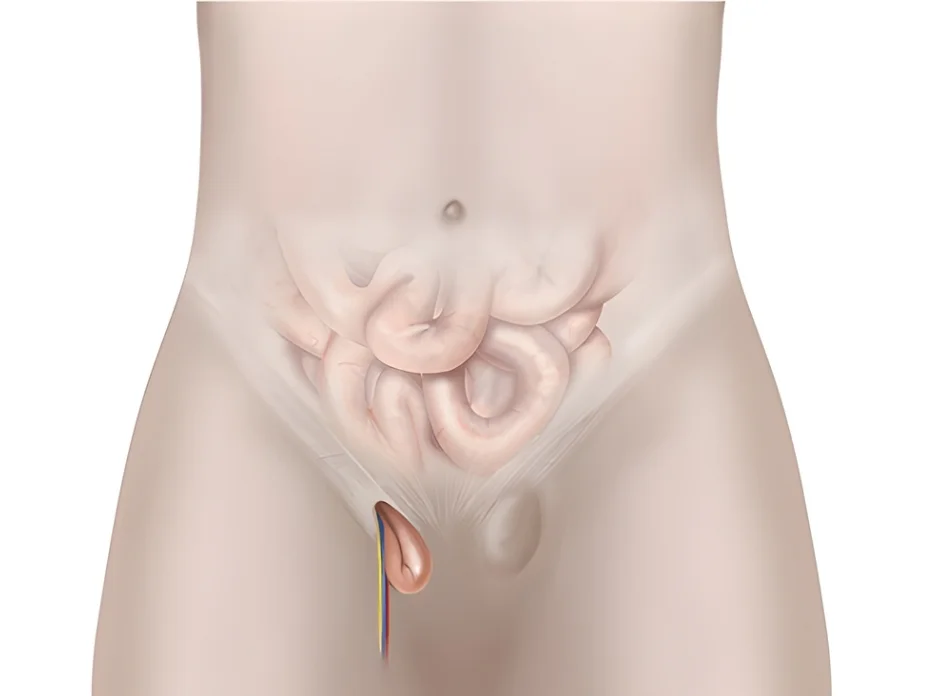
Hernias

Precise repair of inguinal, ventral, and recurrent hernias.

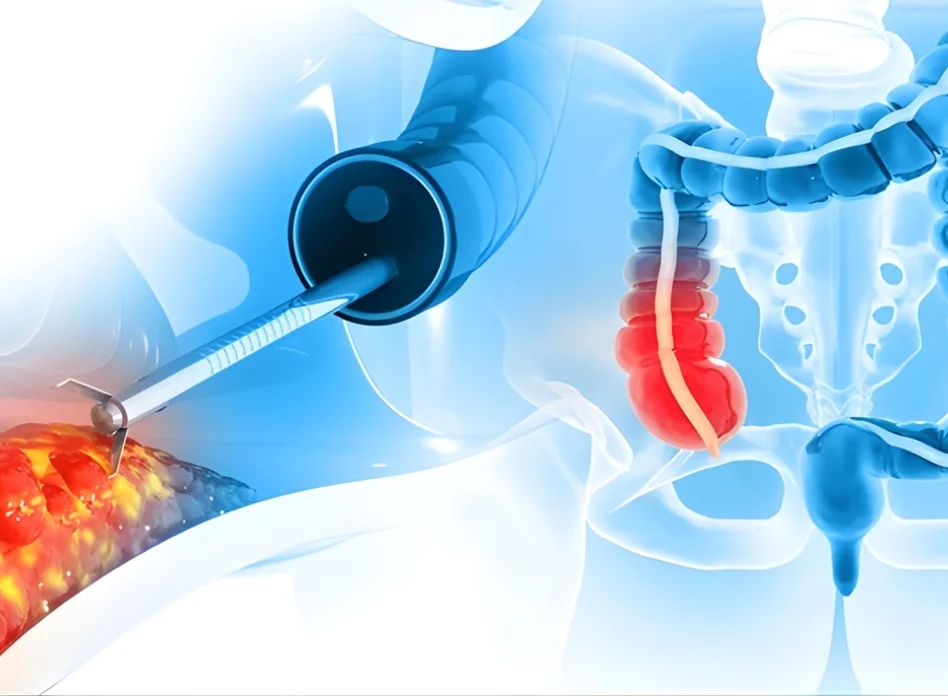
Colorectal Conditions

Advanced procedures involving the colon and rectum, especially in confined pelvic spaces.

Gastrointestinal Cancers

Selected cancer surgeries requiring high precision and meticulous dissection.

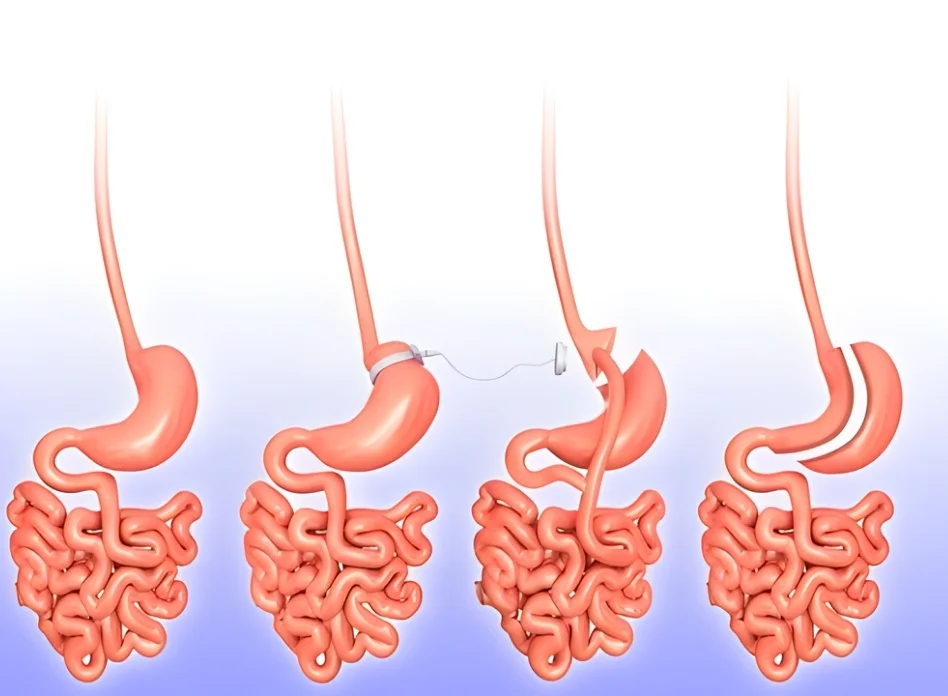
Bariatric (Weight Loss) Surgery

Robotic-assisted sleeve gastrectomy and gastric bypass procedures.

Complex Abdominal Procedures

Surgeries where enhanced control and visualization improve outcomes.

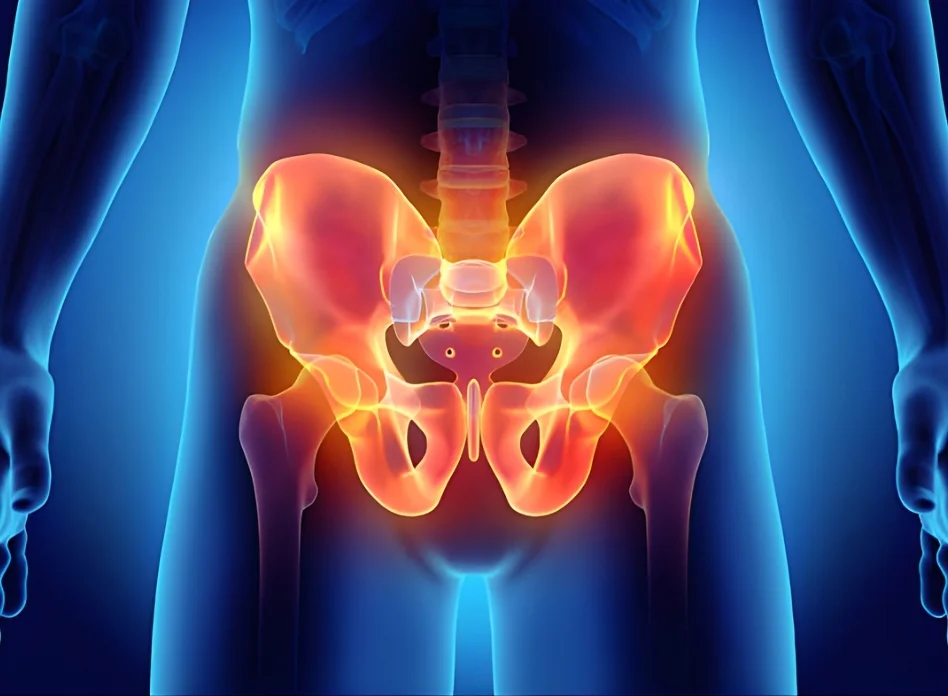
Pelvic Surgeries (Selected Cases)

Procedures requiring fine dissection in narrow anatomical regions.
Benefits of Robotic Surgery

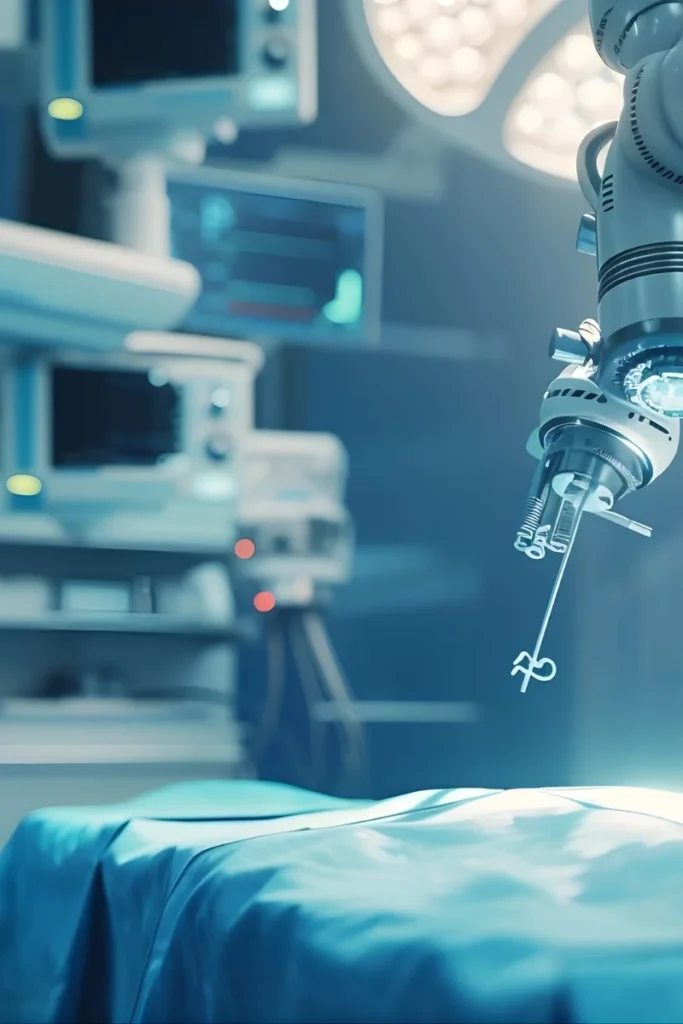
These advantages contribute to improved surgical outcomes and overall patient experience. Robotic-assisted surgery offers several advanced advantages over conventional techniques:

Enhanced 3D Visualization

Greater Precision & Dexterity

Better Access in Confined Spaces

Reduced Blood Loss

Less Postoperative Pain

benefits of robotic surgery
robotic surgery
rD Visualization
less pain

How is a Patient Evaluated for Robotic Surgery?

Proper evaluation is essential before planning robotic-assisted procedures. A structured and detailed assessment ensures patient safety, accurate diagnosis, and selection of the most appropriate surgical approach.

Detailed Clinical Examination

A comprehensive consultation includes evaluation of symptoms, medical history, prior surgeries, and overall health to understand the patient’s condition in detail.

Imaging Studies

Advanced imaging such as CT scan, MRI, or ultrasound helps define anatomy, assess disease extent, and determine whether robotic assistance would provide better precision.

Blood Investigations

Routine tests are performed to evaluate organ function, detect infections, and ensure the patient is medically optimized before surgery.

Assessment of Surgical Complexity

Factors like tumor location, depth, involvement of surrounding structures, and anatomical challenges are assessed to determine the advantage of robotic surgery.

Pre-Anesthesia Evaluation

A detailed pre-anesthetic assessment ensures the patient is fit for general anesthesia and that existing medical conditions are well controlled.

Recovery After Laparoscopic & Robotic Surgery

Recovery after robotic surgery is typically smooth and efficient, with the added advantage of enhanced surgical precision leading to minimal tissue trauma. With advanced technology and proper postoperative care, robotic surgery offers quicker recovery, improved comfort, and excellent clinical outcomes.

recovery after surgery

Early Mobilization

Patients are encouraged to begin walking within hours after surgery, promoting faster recovery and reducing the risk of complications.

Reduced Postoperative Pain

High precision and minimal tissue handling result in less pain and improved comfort after surgery.

Shorter Hospital Stay

Most patients are discharged within 1–3 days, depending on the complexity of the procedure.

Faster Return to Daily Activities

Patients usually resume daily activities and return to work within 1–2 weeks, depending on recovery progress.

Follow-Up Care

Regular follow-ups ensure proper healing, monitor outcomes, and address any concerns promptly.

Our Advanced Robotic Surgical Services

A Word From Dr. Dhaval

"Robotic surgery enhances precision and control, allowing us to perform complex procedures with greater safety."

Dr. Dhaval Patel
Dr. Dhaval Patel
MCh (Gastrosurgery), MS, MBBS

Frequently Asked Questions (FAQs)

Robotic surgery uses advanced robotic systems controlled by the surgeon to enhance precision and visualization.

Yes, it is a safe and advanced technique when performed by experienced surgeons.

Robotic surgery involves small incisions, resulting in minimal scarring.

Most procedures require 1–3 days of hospitalization depending on complexity.

Not all cases are suitable. The decision depends on the condition and patient health.

Dr. Dhaval Patel
MCh (Gastrosurgery), MS, MBBS

Dr. Dhaval Patel

"Every patient deserves clear guidance, precise surgical planning, and the most advanced minimally invasive techniques for a safer and smoother recovery."

Book Your Consultation With Dr. Dhaval

Robotic surgery offers unmatched precision, improved safety, and faster recovery. Early evaluation ensures the most appropriate and effective surgical approach for your condition.

Scroll to Top