
Gastrointestinal Cancer Surgery in Ahmedabad
Comprehensive GI Cancer Care You Can Trust
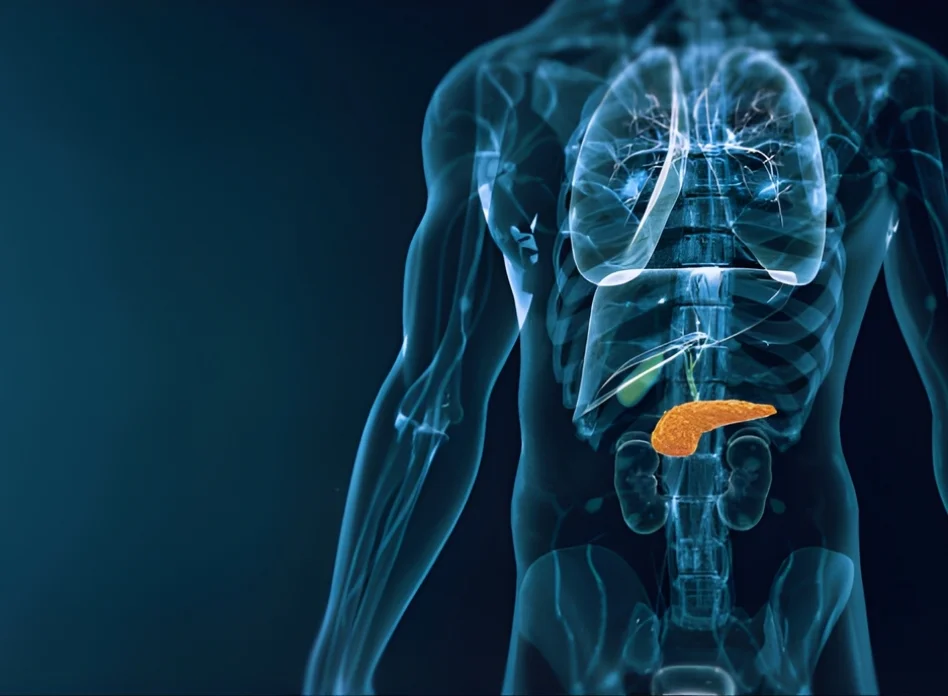
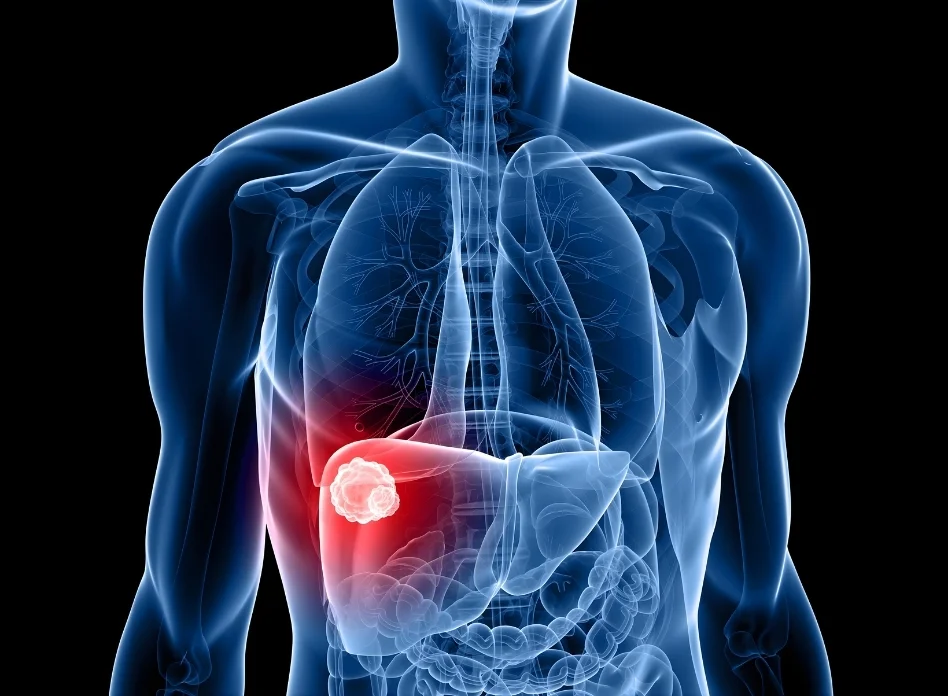
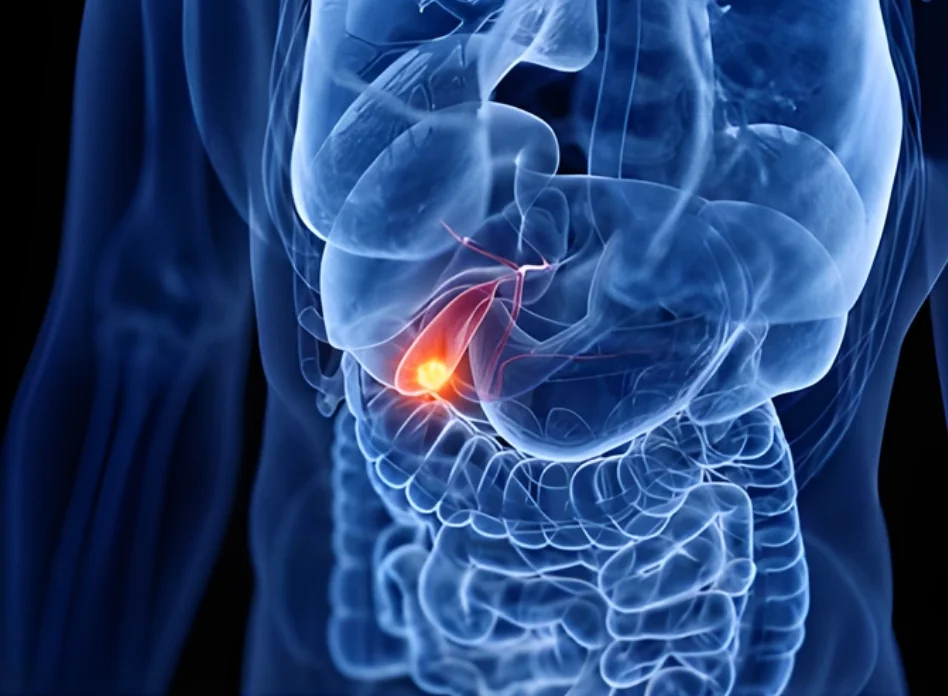
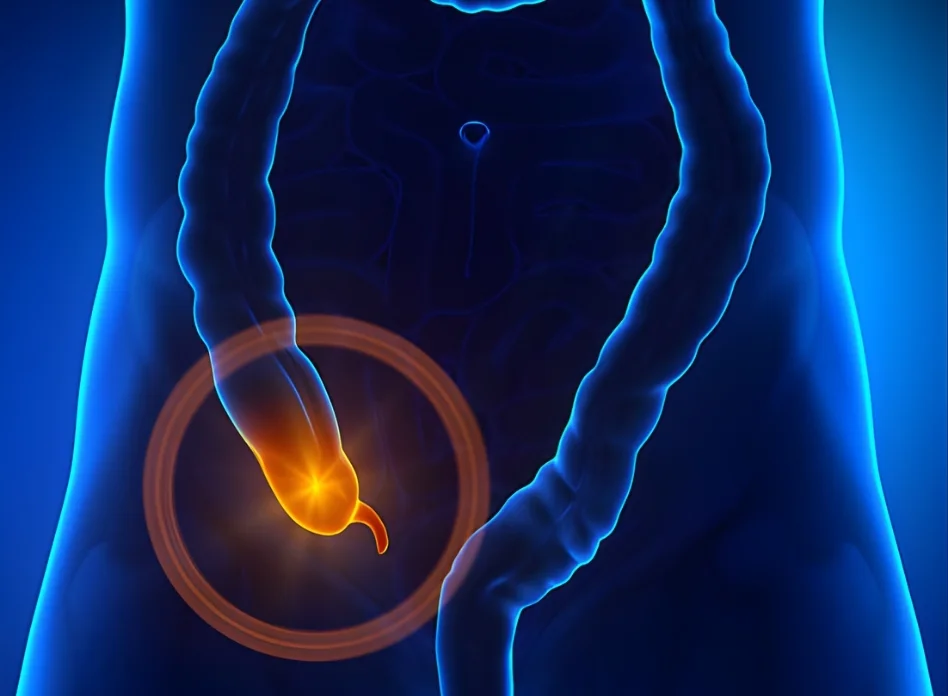
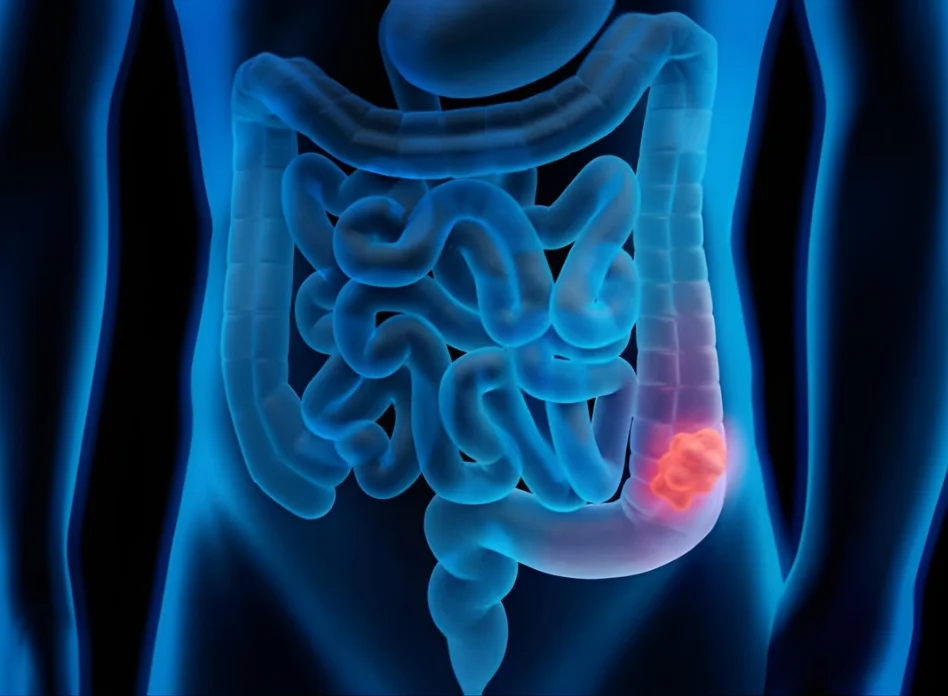
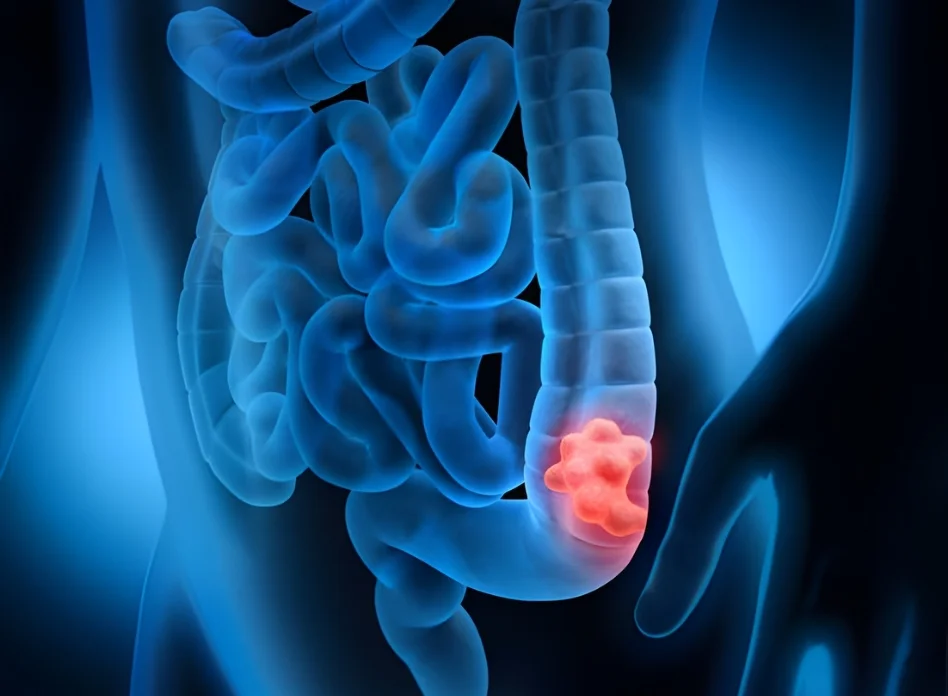
Gastrointestinal (GI) cancers affect the digestive system, including the esophagus, stomach, pancreas, liver, bile ducts, gallbladder, appendix, colon, and rectum. These cancers can significantly impact digestion, nutrition, and overall health if not treated in time.
Gastrointestinal Cancer Surgery plays a crucial role in removing tumors, preventing disease progression, and improving long-term survival. With advances in surgical techniques, imaging, and perioperative care, treatment today is safer, more precise, and focused on faster recovery and better quality of life.
Early diagnosis and timely surgical intervention remain key factors in achieving successful outcomes.
Signs and Symptoms ofGastrointestinal Cancer
Symptoms vary depending on the organ affected, but common warning signs include:
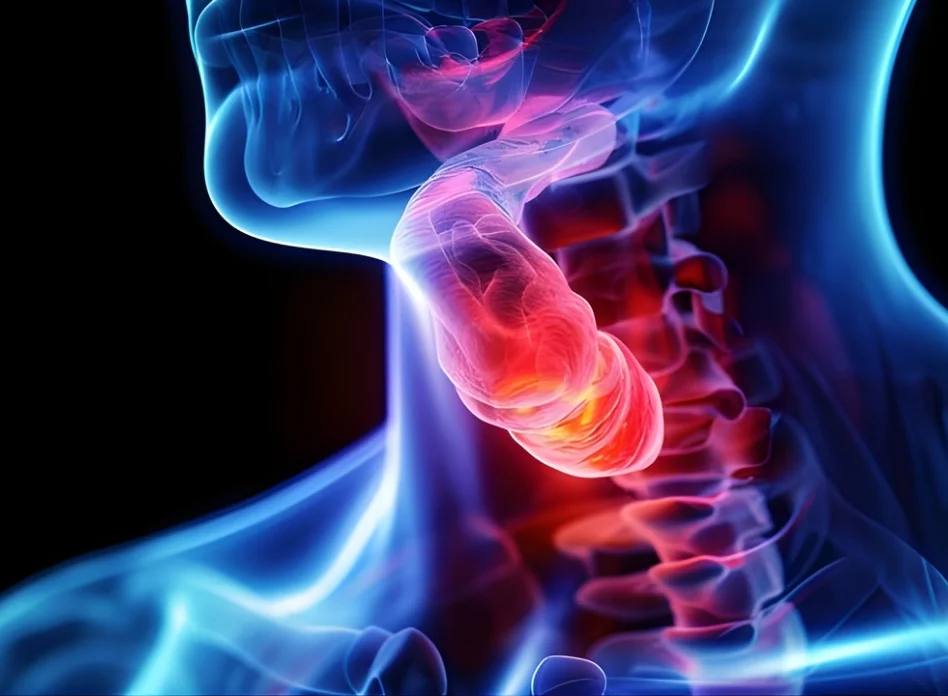
Difficulty swallowing
A sensation of food getting stuck in the throat or chest, especially with solid foods.

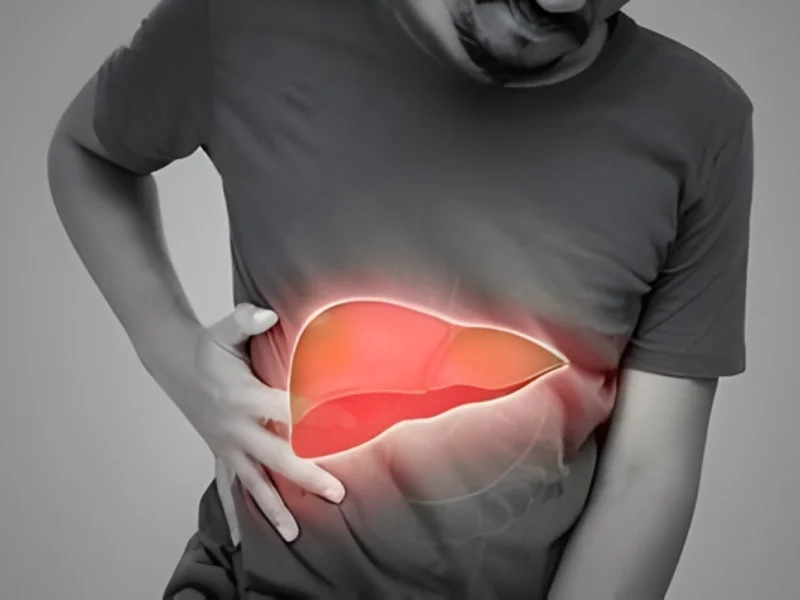
Persistent abdominal pain
Ongoing or unexplained pain in the upper or lower abdomen that does not improve with time.
Unexplained weight loss
Significant weight loss without changes in diet or physical activity.
Loss of appetite
Reduced desire to eat or feeling full quickly after small meals.
Nausea or vomiting
Frequent episodes of nausea or vomiting without a clear cause.
Jaundice (yellowing of skin and eyes)
Yellow discoloration of the skin or eyes, often related to liver or bile duct involvement.

Risk Factors For Gastrointestinal Cancer
Several factors may increase the risk of developing GI cancers. Recognizing these risk factors supports early screening and preventive evaluation.
Smoking & alcohol consumption
Obesity & poor dietary habits
Liver cirrhosis or hepatitis infection
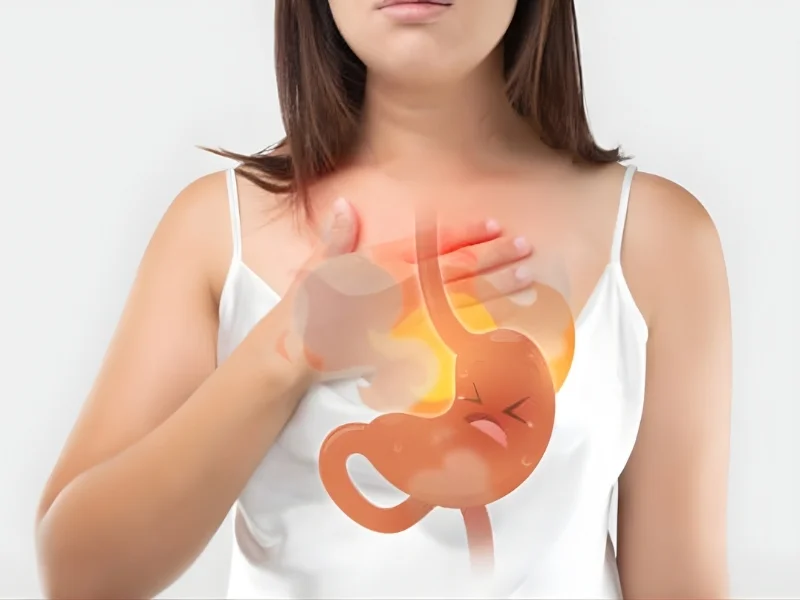
Chronic acid reflux
Long-standing gallstones
How is Gastrointestinal Cancer Diagnosed?
Accurate diagnosis and proper staging are essential before planning treatment for gastrointestinal cancer. A systematic evaluation helps determine the exact location of the tumor, its size, depth of invasion, and whether it has spread to nearby lymph nodes or distant organs. This information is critical in selecting the most effective and personalized treatment strategy.
Detailed Clinical Examination
A comprehensive evaluation of symptoms, medical history, risk factors, and physical findings helps identify warning signs and guide further investigations.
CT Scan or MRI
Advanced imaging provides detailed information about tumor size, local spread, lymph node involvement, and nearby organ invasion.
Blood Investigations
Routine blood tests assess liver and kidney function, nutritional status, and overall health. In some cases, tumor markers may be checked to support diagnosis and monitor response to treatment.
Endoscopy or Colonoscopy
These procedures allow direct visualization of the digestive tract using a flexible camera, helping detect abnormal growths, ulcers, strictures, or suspicious lesions.
Biopsy for Confirmation
A small tissue sample is taken from the suspicious area and examined under a microscope. Biopsy remains the definitive method to confirm the presence and type of cancer.
PET Scan (in Selected Cases)
Positron Emission Tomography (PET) scans help detect cancer spread throughout the body and are particularly useful in advanced or high-risk cases.
Recovery After Gastrointestinal Cancer Surgery
Recovery depends on the type and complexity of surgery performed. A structured postoperative plan ensures safe healing and gradual return to normal activities.
With appropriate medical care, rehabilitation, and follow-up, most patients gradually regain strength and digestive function, allowing them to return to daily life with improved health and confidence.
Pain management
Effective control of postoperative discomfort to promote healing and mobility.
Nutritional support
Dietary guidance to restore the strength and to support digestive recovery.
Early mobilization
Encouraging movement soon after surgery to prevent complications such as blood clots or infections.
Monitoring for complications
Close observation to detect and manage any early postoperative issues.
Scheduled follow-up visits
Regular reviews to monitor recovery, nutritional status, and long-term outcomes.
Our Specialized Cancer Surgeries
Esophageal Cancer Surgery
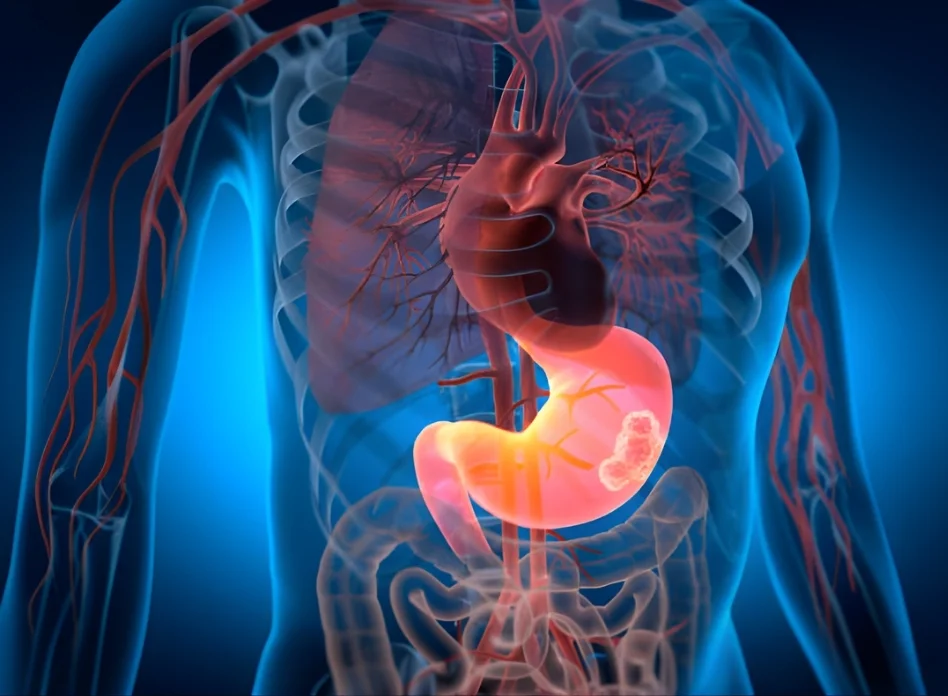
Stomach Cancer Surgery
Pancreatic Cancer Surgery
Liver & Bile Duct Cancer Surgery
Gallbladder Cancer Surgery
Small Intestine & Appendix Cancer Surgery
Colon Cancer Surgery
Rectum Cancer Surgery
A Word From Dr. Dhaval
Not always. Treatment depends on the stage and type of cancer. In many cases, surgery is combined with chemotherapy or radiation therapy.
All major surgeries carry risks, but advances in surgical techniques and perioperative care have significantly improved safety and recovery.
Hospital stay varies depending on the procedure, but most patients stay between 5–10 days, depending on recovery.
In certain cases, chemotherapy may be recommended before or after surgery to reduce recurrence risk.
Most patients gradually return to normal activities within a few weeks, though complete recovery may take a few months depending on the surgery type.
Dr. Dhaval Patel
MCh (Gastrosurgery), MS, MBBS

"Every patient deserves clear guidance, advanced surgical precision, and compassionate care throughout their cancer journey."
Book Your Consultation With Dr. Dhaval
Don’t ignore persistent digestive symptoms. Early evaluation and precise surgical care can significantly improve recovery and long-term health.