

Obesity (Bariatric & Metabolic) Surgery

Comprehensive Surgical Care for Obesity

Obesity is a chronic medical condition that affects not only body weight but also overall health and metabolism. It increases the risk of serious conditions such as Type 2 diabetes, high blood pressure, heart disease, sleep apnea, joint problems, and fatty liver disease.

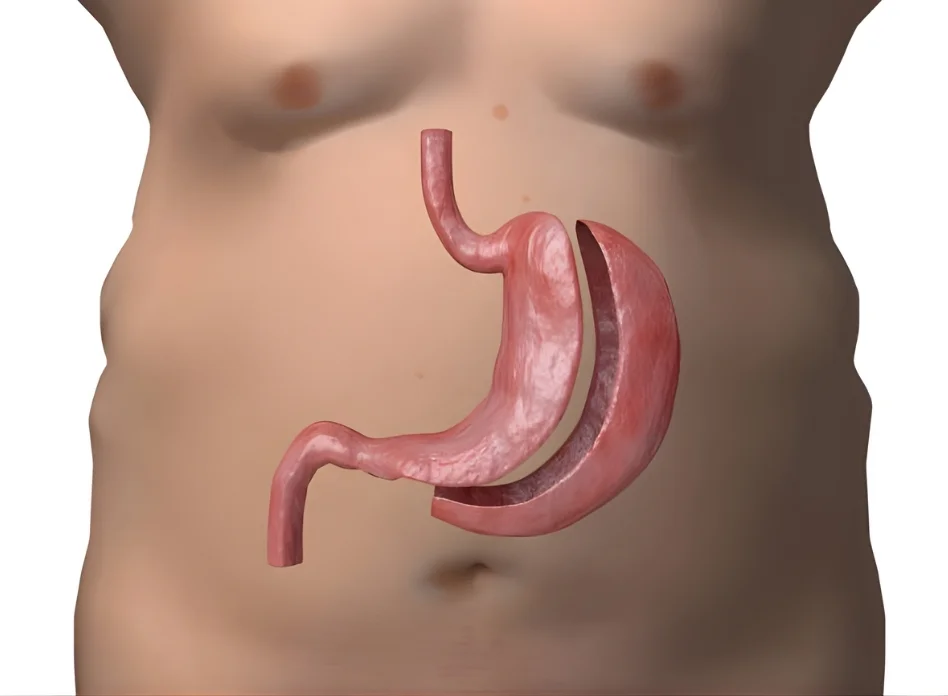
Bariatric and Metabolic Surgery provides a scientifically proven and long-term solution for individuals struggling with severe obesity and obesity-related disorders. These procedures work by reducing stomach capacity and altering metabolic pathways, leading to sustainable weight loss and significant improvement in associated health conditions.

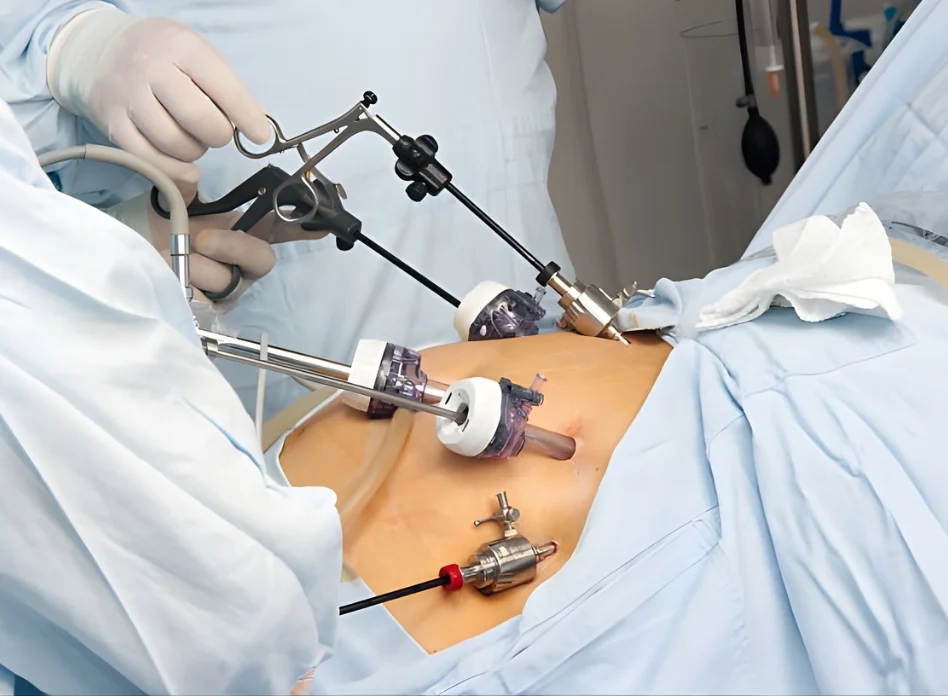
With advancements in minimally invasive laparoscopic techniques, bariatric surgery today is safer, more precise, and focused on long-term health transformation rather than temporary weight reduction.

Early evaluation and structured medical guidance are essential for achieving successful and lasting outcomes.

Signs and Health ConcernsAssociated With Obesity

Obesity may lead to various physical and metabolic symptoms, including:

Excessive weight gain

Persistent increase in body weight that affects daily functioning and mobility.

Shortness of breath

Breathing difficulty during mild physical activity due to excess body weight.

Chronic fatigue

Constant tiredness and reduced energy levels throughout the day.

Joint and knee pain

Increased pressure on weight-bearing joints causing discomfort and degeneration.

High blood pressure

Elevated blood pressure due to increased cardiovascular strain.

Hormonal imbalance

Irregular menstrual cycles, PCOS, or metabolic disturbances.

Risk Factors For Severe Obesity

Several factors may contribute to the development of obesity. Identifying contributing factors helps in planning the most effective treatment strategy.

Sedentary lifestyle

High-calorie dietary habits

Hormonal disorders

Emotional or stress-related eating

Poor sleep patterns

How is a Patient Evaluated for Bariatric Surgery?

Proper assessment is essential before planning bariatric or metabolic surgery. A structured and multidisciplinary evaluation ensures patient safety, appropriate procedure selection, and long-term success. The goal is not only to determine eligibility but also to prepare the patient physically and mentally for sustainable lifestyle transformation after surgery.

Detailed Clinical Examination

A thorough assessment of weight history, duration of obesity, previous weight-loss attempts, associated medical conditions such as diabetes or hypertension, and overall physical health.

Body Mass Index (BMI) Assessment

Accurate calculation of BMI to determine surgical eligibility and assess the severity of obesity.

Blood Investigations

Comprehensive blood tests to evaluate blood sugar levels, cholesterol profile, liver and kidney function, thyroid levels, and nutritional status.

Cardiac & Pulmonary Evaluation

Heart and lung assessments to ensure the patient is fit for anesthesia and surgery, especially in individuals with obesity-related complications.

Nutritional Assessment

Evaluation of eating patterns and dietary habits, along with counseling on post-surgery nutritional progression and long-term supplementation.

Psychological Evaluation

Assessment of emotional readiness, eating behaviors, and the ability to commit to lifestyle modifications required after surgery.

Recovery After Bariatric & Metabolic Surgery

Recovery is generally smooth with minimally invasive techniques and structured follow up care.

With proper adherence to dietary guidelines and lifestyle modifications, most patients experience significant weight loss and improved metabolic health over time.

Pain management

Effective control of postoperative discomfort to promote early mobility.

Early mobilization

Walking is encouraged within hours of surgery to reduce complications.

Gradual dietary progression

Transition from liquids to soft foods and eventually regular meals under medical supervision.

Vitamin & mineral supplementation

Long-term supplementation to prevent nutritional deficiencies.

Regular follow-up visits

Monitoring weight loss progress, nutritional balance, and overall health improvement.

Our Bariatric & Metabolic Surgical Services

A Word From Dr. Dhaval

"Bariatric and metabolic surgery is not just about weight loss; it is about reversing disease and restoring long-term health."

Dr. Dhaval Patel
MCh (Gastrosurgery), MS, MBBS

Frequently Asked Questions (FAQs)

When performed after proper evaluation by an experienced surgical team, bariatric surgery is considered safe and effective.

Most patients lose 60–80% of excess body weight over time, depending on the procedure and adherence to lifestyle changes.

Many patients experience significant improvement or even remission of Type 2 diabetes following metabolic surgery.

Most patients are discharged within 2–3 days after minimally invasive surgery.

Yes. Long-term success depends on healthy eating habits, supplementation, and regular follow-up care.

Dr. Dhaval Patel
MCh (Gastrosurgery), MS, MBBS

"Bariatric surgery is not just about reducing weight, it is about restoring health, improving metabolic balance, and helping patients regain control of their lives."

Book Your Consultation With Dr. Dhaval

Don’t let obesity continue to affect your health and confidence. Early evaluation and structured surgical guidance can significantly improve long-term weight control and overall well-being.

Scroll to Top