Best Robotic Gastro Surgeon in Ahmedabad
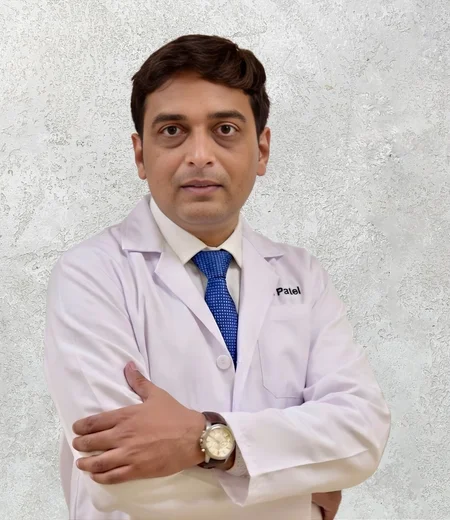
Dr. Dhaval Patel –
Robotic Gastro Surgeon in Ahmedabad
Robotic surgery is applied to selected gastrointestinal cases where enhanced visualisation and finer instrument control genuinely add value. Whether it’s the right fit for a patient depends on the condition itself, how complex the procedure is, and the patient’s overall health — not on the technology alone.
Dr. Dhaval Patel, a robotic gastro surgeon in Ahmedabad, brings training across Gastrointestinal, Hepato-Pancreato-Biliary (HPB), and GI Cancer surgery, with hands-on experience in minimally invasive techniques. He performs robotic procedures for select conditions of the stomach, intestine, colon, rectum, liver, pancreas, and other digestive organs.
In robotic surgery, small incisions are used to introduce a camera and specialised instruments, which the surgeon operates from a console throughout the procedure. Dr. Dhaval Patel recommends this approach only when it genuinely suits the patient’s condition and offers a safe, effective surgical pathway.
His Fellowship in Pancreas and Liver Surgery from Seoul National University Hospital, together with an observership at Tata Memorial Centre, has shaped his approach to handling complex gastrointestinal and hepatobiliary cases.
What Robotic Gastro Surgery Actually Involves
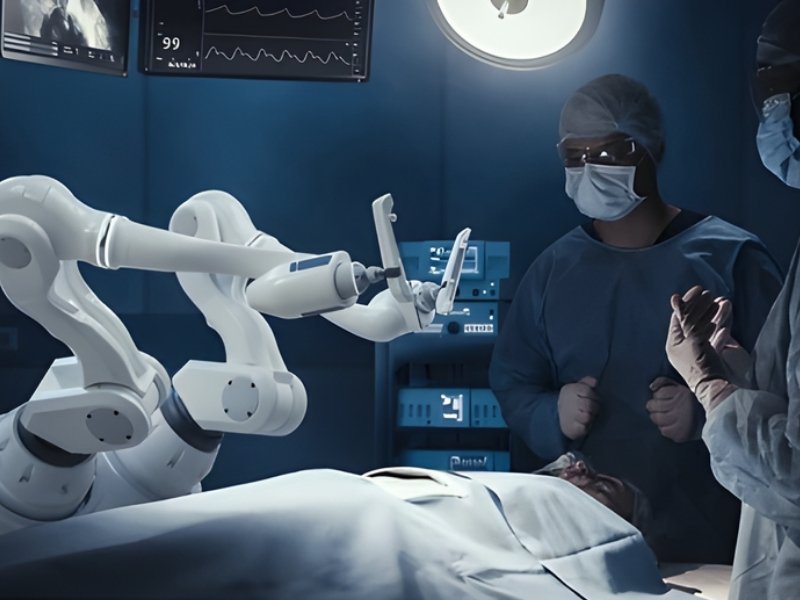
Robotic gastro surgery is a minimally invasive technique used for selected digestive-system conditions. Rather than operating directly at the bedside, the surgeon sits at a console, viewing the surgical field through a high-definition camera while controlling specialised instruments with precision.
This setup gives the operating surgeon finely controlled instrument movement along with a magnified, detailed view of the surgical site – both of which matter when working in tight or complex anatomical spaces.
As a robotic gastro surgeon in Ahmedabad, Dr. Dhaval Patel considers this approach for select cases involving:
Esophageal conditions and cancers
Stomach conditions and cancers
Pancreatic conditions and cancers
Liver and bile duct conditions and cancers
Gallbladder conditions and cancers
Small intestine and appendix conditions
Colon conditions and cancers
Rectal conditions and cancers
Not every gastrointestinal condition calls for a robotic approach. Which technique is right is decided only after a full evaluation of the diagnosis and the complexity of the planned procedure.
What a Robotic Gastro Surgeon Actually Does
It’s worth being clear about one thing: the robotic system doesn’t operate on its own. Every decision, movement, and judgement call throughout the procedure still comes from the surgeon.
As a robotic gastro surgeon in Ahmedabad, Dr. Dhaval Patel’s responsibilities include:
- Evaluating the patient’s condition and medical history
- Reviewing imaging and diagnostic reports in detail
- Determining whether surgery is necessary at all
- Assessing whether a robotic approach is appropriate for the case
- Selecting the surgical technique best suited to the patient
- Performing the procedure using robotic instrumentation
- Managing complex gastrointestinal and cancer cases
- Providing pre-operative counselling and post-operative care
- Monitoring the patient’s recovery after surgery
Conditions Commonly Treated by a Robotic Gastro Surgeon
Robotic surgery may be used for selected gastrointestinal and hepatobiliary conditions.

Stomach conditions
Select stomach tumours and cancers may be suitable for a robotic approach, depending on where the disease is located and how far it has spread.

Colon Diseases
Robotic colon surgery may be considered for select conditions, including colorectal cancers requiring partial colon removal.
Rectal Diseases
Robotic techniques can be particularly useful for rectal procedures where the tumour sits in a hard-to-reach part of the pelvis.
Esophageal Conditions
Select esophageal procedures may be performed using minimally invasive or robotic methods, depending on the disease and surgical needs.
Liver Conditions
Certain liver tumours and other selected liver conditions can be managed using minimally invasive, robot-assisted surgery.
Pancreatic Conditions
Pancreatic surgery is inherently complex given the organ's proximity to major blood vessels. Robotic surgery may be considered in carefully selected cases.
Gastrointestinal Cancers
Select cancers of the stomach, colon, rectum, and other GI organs may be treated robotically when the approach fits the case.
Types of Robotic Gastro Surgery Performed
The specific robotic technique used depends entirely on the condition being treated and the scope of the operation required.
Robotic Stomach Surgery
Used for select stomach tumours and conditions requiring partial removal or reconstruction of the stomach.
Robotic Colorectal Surgery
Applied to select colon and rectal procedures, with the exact approach shaped by disease location and the extent of surgery needed.
Robotic Cancer Surgery
Used for select gastrointestinal cancers, with suitability determined by tumour location, size, stage, and involvement of nearby structures.
Robotic HPB Surgery
Covers select liver, pancreatic, and biliary procedures where both the condition and the patient are well suited to a robotic approach.
When Should You See a Robotic Gastro Surgeon?
A consultation with a robotic gastro surgeon in Ahmedabad may be worthwhile if surgery has already been recommended for a GI condition and a minimally invasive approach could be an option. You may be referred for evaluation if you have:
A stomach tumour or cancer
Colon cancer
Rectal cancer
Any gastrointestinal tumour
A condition requiring complex abdominal surgery
A liver tumor
A pancreatic tumor
A condition requiring gastrointestinal reconstruction
A previously diagnosed condition for which minimally invasive surgery is being considered
Robotic surgery isn’t right for every patient. The final call is made only after reviewing the diagnosis, imaging, prior surgical history, overall health, and the complexity of the procedure involved.
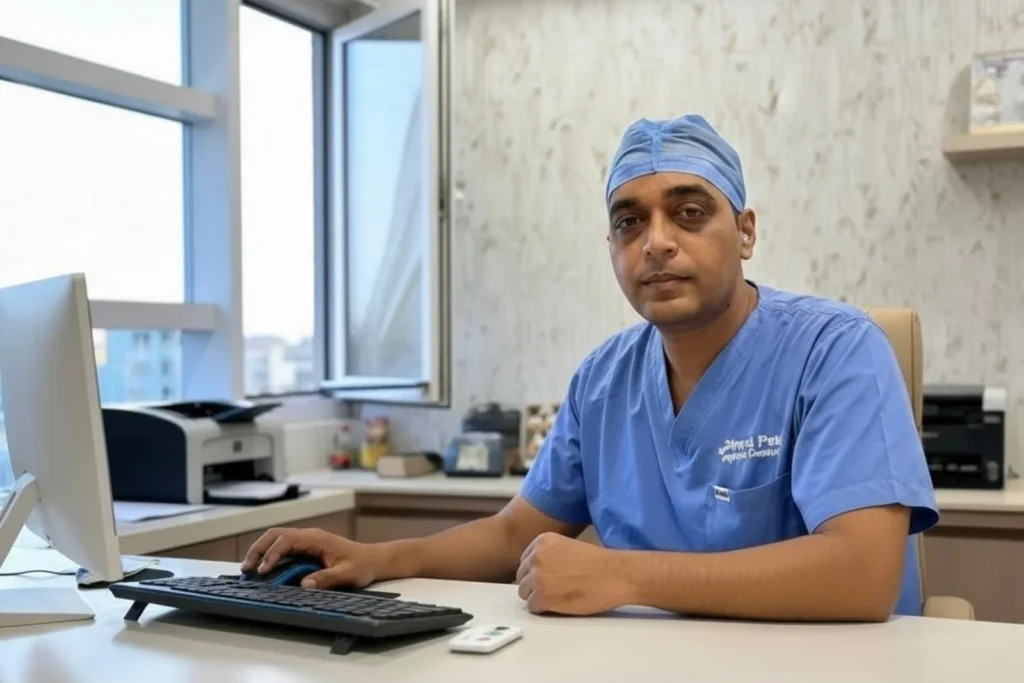
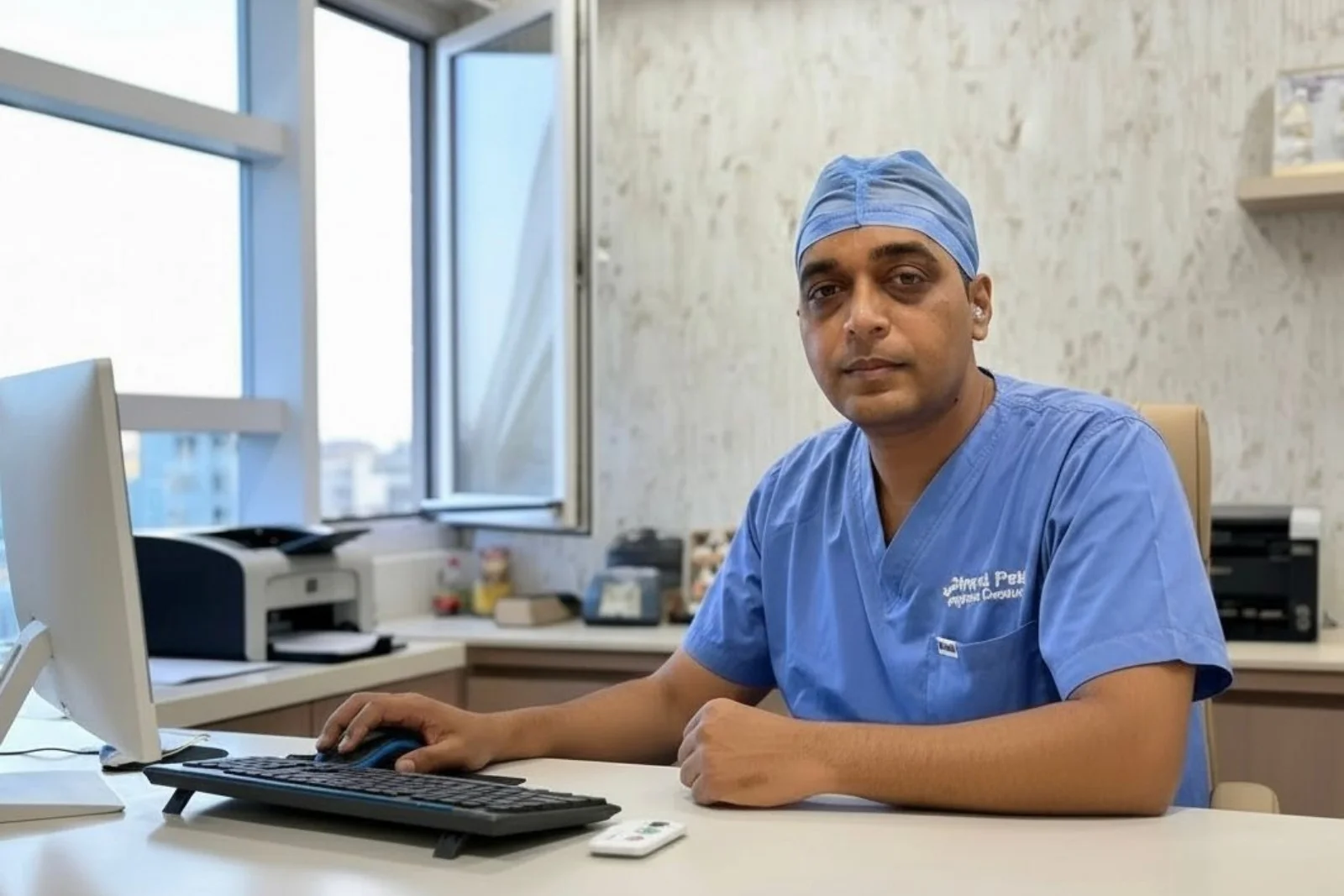
Why Patients Choose Dr. Dhaval Patel as Their Robotic Gastro Surgeon in Ahmedabad
Performing robotic surgery well requires fluency in both the robotic platform and the underlying gastrointestinal procedure. The right technique should always follow the patient’s condition — not the other way around. Patients consult Dr. Dhaval Patel for:
MCh training in Surgical Gastroenterology
Fellowship training in Pancreas and Liver Surgery
Experience in gastrointestinal and HPB cancer surgery
Hands-on experience with both laparoscopic and robotic procedures
Surgical management of gastrointestinal cancers
Experience in complex liver and pancreatic surgery
A careful, case-by-case approach to selecting the right surgical technique
Clear, straightforward explanations of the procedure and what recovery looks like
Expertise &
Advanced Training
Dr. Dhaval Patel’s clinical training underpins his work across gastrointestinal, HPB, cancer, and minimally invasive surgery:
01. MCh – Surgical Gastroenterology
Advanced postgraduate training in surgical gastroenterology.
02. Fellowship in Pancreas and Liver Surgery
Completed at Seoul National University Hospital, with focused exposure to pancreatic and liver surgery.
03. Observership at Tata Memorial Centre
Additional exposure to cancer surgery and the management of complex cancer cases.
04. Laparoscopic & Robotic Surgery
Practical experience in minimally invasive GI surgery, with the technique selected based on the patient's condition and procedural requirements.
It's a minimally invasive surgical technique where the surgeon controls specialised instruments through a robotic system to perform select gastrointestinal procedures.
No. The surgeon controls the robotic system at every step, using it to manoeuvre instruments and view the surgical field through a high-definition camera.
No. It's suitable for select patients and procedures — the decision depends on the condition, its complexity, prior surgeries, overall health, and other individual factors.
Select stomach, colon, rectal, esophageal, liver, pancreatic, biliary, and gastrointestinal cancer conditions may be treated this way.
They're different approaches with different strengths. Robotic surgery can offer the benefits of a minimally invasive procedure in suitable cases, while open surgery may still be the better choice for complex or advanced disease.
It varies by procedure type and the patient's overall health, but minimally invasive surgery often allows for earlier mobility and a quicker recovery in suitable cases.
Bring your imaging reports, blood test results, endoscopy or colonoscopy reports, biopsy reports (if available), records of any previous surgery, and a list of current medications.
Dr. Dhaval Patel
MCh (Gastrosurgery), MS, MBBS
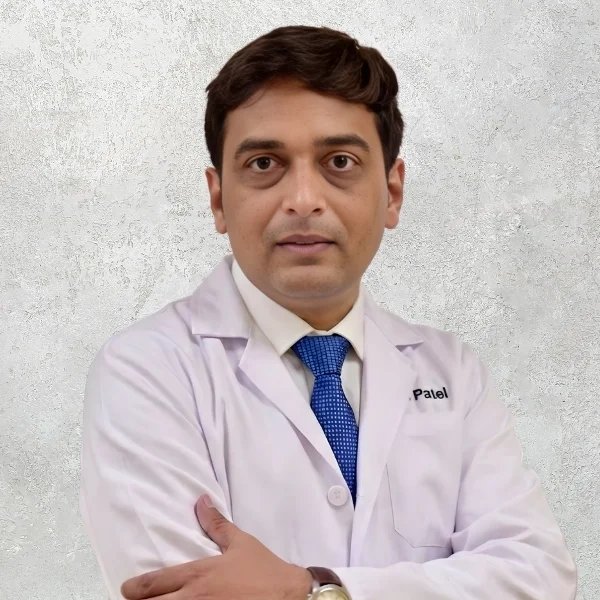
"Every patient deserves clear guidance, precise surgical planning, and the most appropriate surgical treatment for their condition."
Book Your Consultation With Dr. Dhaval
If you have been advised to undergo gastrointestinal surgery and want to know whether a robotic approach is suitable for your condition, consult Dr. Dhaval Patel for a detailed evaluation and discussion of your surgical options.

