Why are young people getting liver problems?
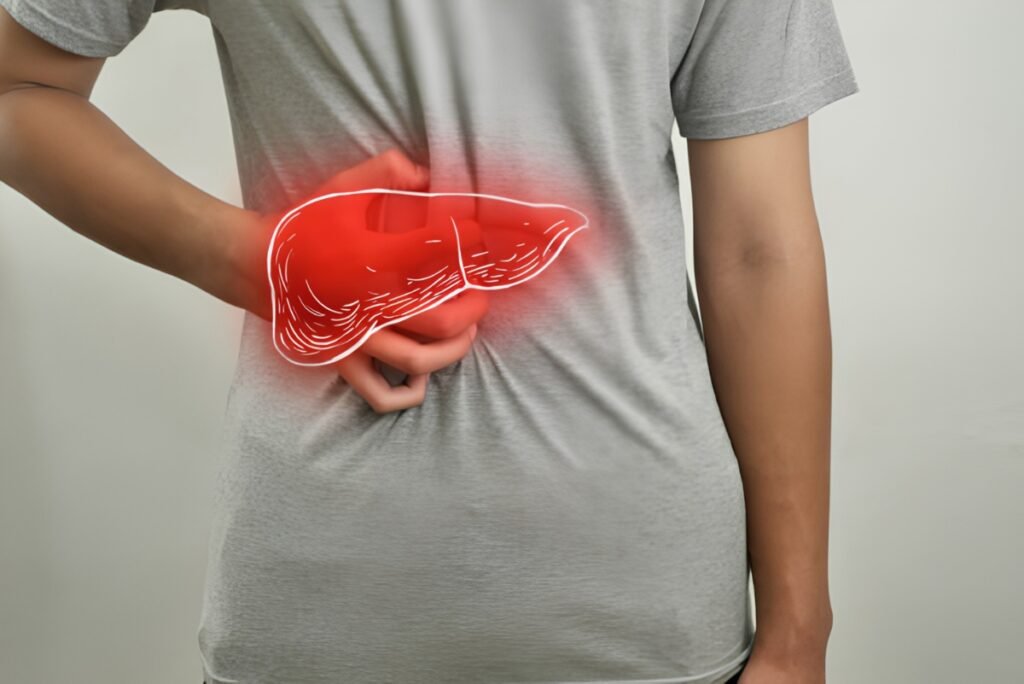
For a long time, liver disease was associated with a lifetime of heavy drinking or advanced age. However, the medical landscape is shifting. Today, GI surgeons across the country are seeing a rise in liver-related complications, including fatty liver and even liver cancer, in patients in their 20s and 30s.
If you are living in a fast-paced city like Ahmedabad, your lifestyle might be putting more strain on your liver than you realize. But why is this “silent organ” struggling in the younger generation?
As a specialist in complex gastrointestinal health, Dr. Dhaval Patel believes that understanding the “why” is the first step toward prevention and recovery.
The Silent Crisis: Why the "Young Liver" is at Risk
The liver is a powerhouse; it filters toxins, aids digestion, and regulates energy. But it is also an organ that doesn’t “complain” until the damage is significant. Here are the primary reasons liver problems are surging in young adults:
The Rise of NAFLD (Non-Alcoholic Fatty Liver Disease)
Perhaps the biggest culprit is the modern diet. High consumption of processed sugars, “junk food,” and trans fats leads to fat accumulation in the liver. In Ahmedabad, where rich, oily, and sugary treats are a part of our vibrant culture, many young professionals are unknowingly developing fatty livers before they even turn 30.
Sedentary Work Cultures
Sitting is the new smoking. A lack of physical activity slows down metabolism, making it harder for the liver to process fats and sugars. This metabolic sluggishness is a direct precursor to inflammation and long-term liver scarring (cirrhosis).
Alcohol and Lifestyle Shifts
While not the only cause, social binge drinking among younger populations has increased. Even “weekend drinking” can cause significant oxidative stress on the liver, leading to alcoholic hepatitis or early-onset cirrhosis.
Viral Hepatitis (B and C)
Many young adults remain unaware of their hepatitis status. Left untreated, chronic hepatitis B or C can lead to severe complications, including the need for liver cancer surgery later in life.
Red Flags That May Point to Liver Disease
Many liver issues develop slowly and may not show symptoms early. Common warning signs include:
- Fatigue or weakness
- Loss of appetite
- Nausea
- Pain or heaviness in upper abdomen
- Unexplained weight loss
- Yellowing of eyes or skin (jaundice)
- Swelling in abdomen
- Dark urine
- Itchy skin
Protecting Your Liver: Steps You Can Take Today
The liver is incredibly resilient and has a unique ability to regenerate if given the chance. Here is how you can protect yourself:
- Watch Your Waistline: Maintaining a healthy weight is the #1 way to prevent fatty liver disease.
- Limit Sugar and Fructose: Be wary of sugary sodas and hidden sugars in “healthy” packaged snacks.
- Get Vaccinated: Ensure you are protected against hepatitis B.
- Regular Screenings: If you have a family history of liver issues or a high BMI, a simple ultrasound can be a lifesaver.
Effective Ways to Treat Liver Disorders
Treatment depends on the exact cause and stage of disease.
Lifestyle-Based Treatment
- Weight management
- Healthy diet
- Exercise routine
- Avoiding alcohol
- Managing diabetes or cholesterol
Medicines
- Used for hepatitis infections, inflammation, or related conditions.
Advanced Surgical Care
- If tumors or serious disease are detected, liver cancer surgery may be advised depending on the patient’s condition.
Final Thoughts
Liver problems are no longer limited to older adults. Poor lifestyle habits, obesity, infections, and delayed diagnosis are making liver disease more common in younger people.
If you notice symptoms or have concerns about liver health, consult Dr. Dhaval Patel, a trusted Liver Cancer surgeon in Ahmedabad, for expert guidance and advanced treatment options.

