
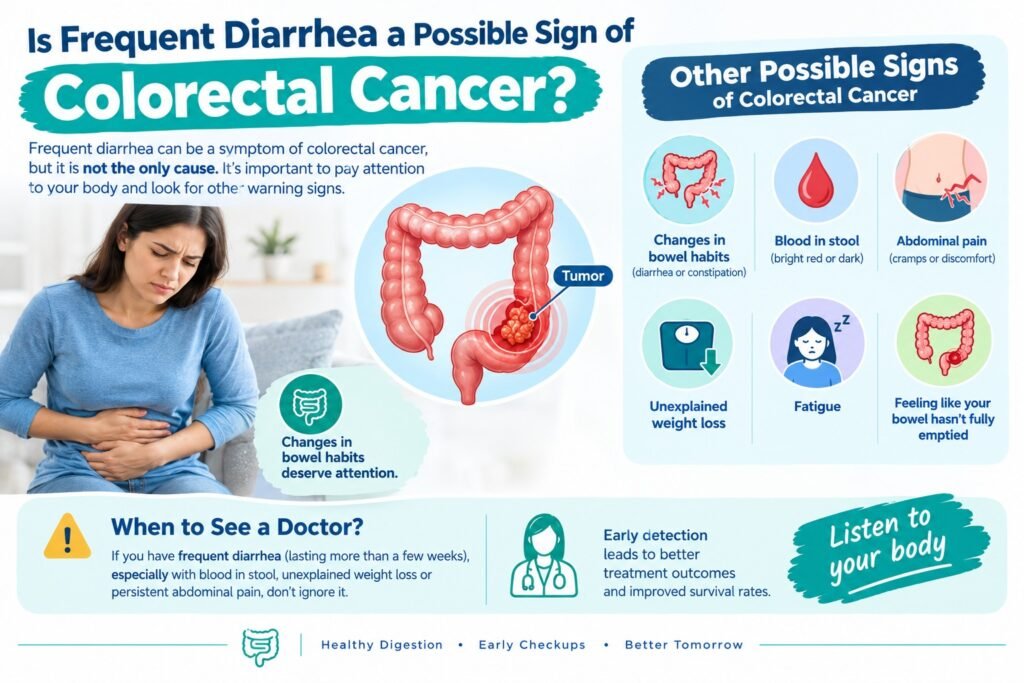
Is Frequent Diarrhea a Possible Sign of Colorectal Cancer?
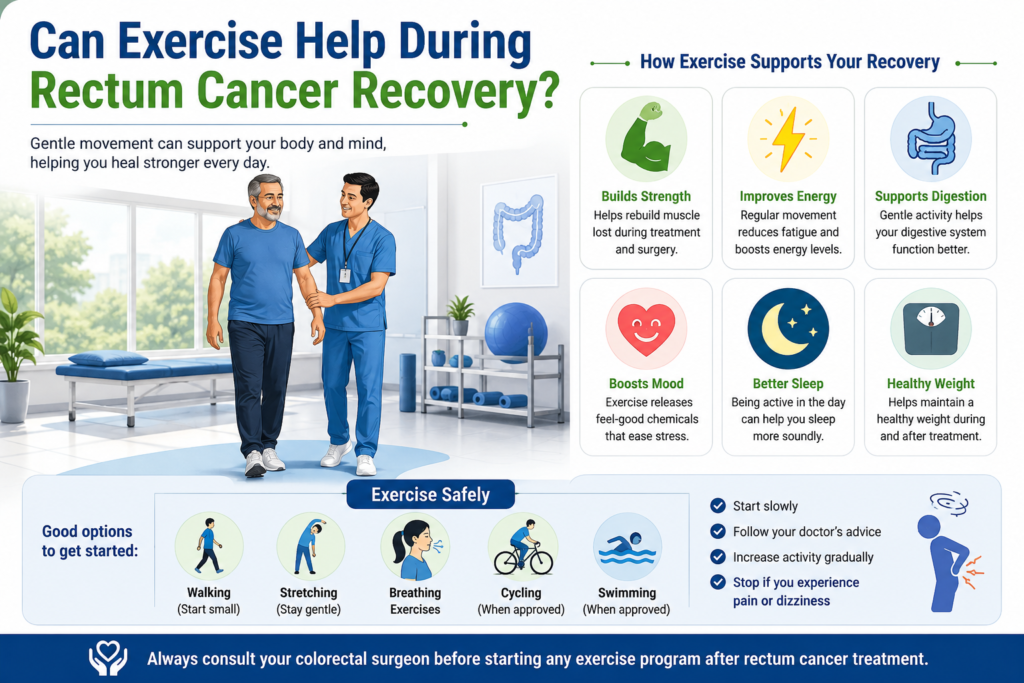
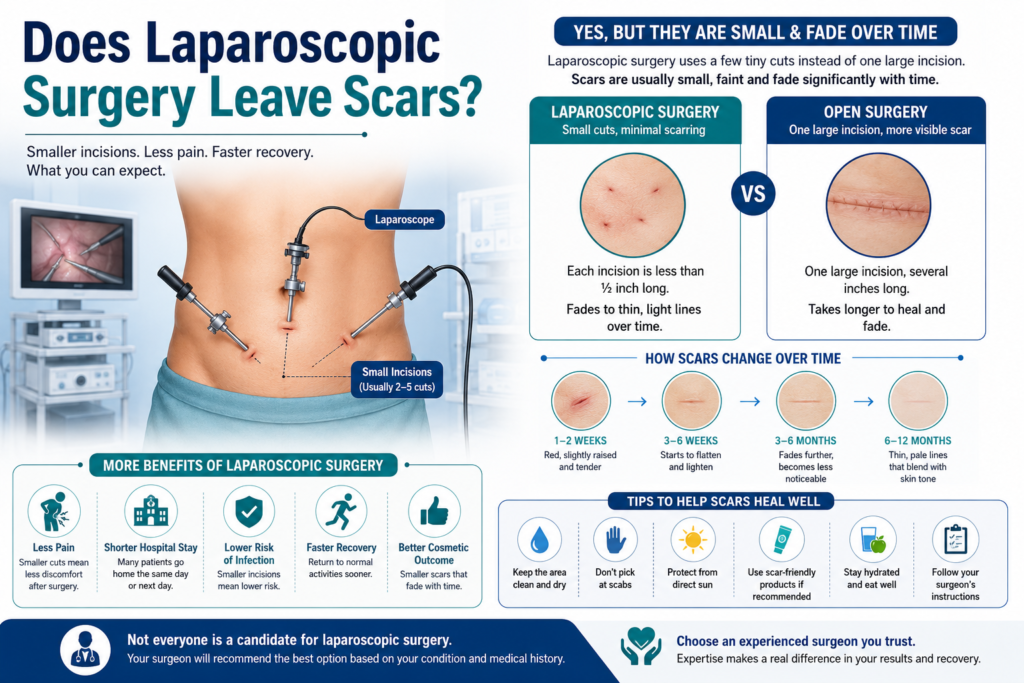
Is Frequent Diarrhea a Possible Sign of Colorectal Cancer? Almost everyone has a bad stomach now and then. So when diarrhea keeps coming back, it is easy to blame street food, stress, or a stomach bug. Most of the time, that is exactly what it is. But when loose stools drag on for weeks, it is worth asking a harder question. Many families end up searching for colon cancer surgery in Ahmedabad after a scare, so let’s walk through what frequent diarrhea can mean, and what to do about it. Can Frequent Diarrhea Really Be a Sign of Colorectal Cancer? Yes, it can be, but it is not the most common cause. Colorectal cancer means cancer of the colon (large intestine) or the rectum (the last part of the bowel). A growth inside the bowel can narrow the passage or irritate the lining. This can change how often you pass stool and what it looks like. Some people notice diarrhea. Others notice constipation, or a strange mix of both. The key clue is that the change does not go away. When Should Diarrhea Make You Suspicious? Ordinary diarrhea usually settles in a few days. It often follows something you ate or a stomach infection. Get it checked if: It lasts longer than two to three weeks It keeps coming back in a pattern You are over 45 (or younger with a family history) It alternates with constipation It happens along with any symptom in the next section Do not feel embarrassed about bowel complaints. Doctors hear about them every day. What Other Symptoms Should You Watch For? Diarrhea alone rarely tells the full story. Pay attention if you also notice: Blood in the stool, either bright red or dark and tarry Thin, pencil-like stools A feeling that your bowel does not empty fully Unexplained weight loss Constant tiredness or weakness (often from slow blood loss, called anemia) Cramps, bloating, or belly pain that will not settle Loss of appetite Please do not assume blood in the stool is “just piles.” Piles are common, but only a doctor can be sure. Who Is at Higher Risk? Anyone can develop colorectal cancer, but some people face a higher risk: Age above 45 Family history of colon or rectal cancer Polyps (small growths) in the bowel Long-standing inflammatory bowel disease, such as ulcerative colitis A diet high in red or processed meat and low in fibre Obesity, smoking, and regular heavy alcohol use Little physical activity If you fit into one or more of these groups, regular screening matters even when you feel fine. How Is Colorectal Cancer Diagnosed? The process is more straightforward than most people expect. Your doctor may advise: Stool tests to detect hidden blood Blood tests to check for anemia and markers such as CEA Colonoscopy, where a thin flexible tube with a camera looks inside the bowel. Small polyps can be removed during the same test. CT or MRI scans to see whether the cancer has spread Biopsy, a tiny tissue sample, to confirm the diagnosis Colonoscopy is done under sedation, so most people feel little or no discomfort. What Does Colon Cancer Surgery Involve? If cancer is confirmed, surgery is usually the main treatment. The aim is to remove the tumour along with a healthy margin of bowel and nearby lymph nodes. Common approaches include: Colectomy: removing the part of the colon that contains the tumour, then joining the healthy ends back together. Laparoscopic (keyhole) surgery: done through small cuts, often meaning less pain, less blood loss, and a quicker return to normal life. Stoma (ostomy): in some cases, a temporary opening on the belly helps the bowel heal. Many stomas are later reversed. Some patients also need chemotherapy or other treatment after surgery. Your surgeon will plan this based on the stage of the cancer. What Is Recovery Like After Bowel Surgery? Recovery is gradual, and every patient is different. Most people start walking within a day or two. Some practical tips: Start with light, soft foods and add more as advised Walk a little each day Drink plenty of fluids Avoid heavy lifting for the period your surgeon recommends Attend every follow-up visit Report fever, severe pain, or wound redness right away Bowel habits can take a few weeks to settle. That is normal, so be patient with your body. How Can You Lower Your Risk? You cannot remove risk completely, but healthy habits help: Eat more vegetables, fruit, and whole grains Cut down on processed and red meat Stay active and keep a healthy weight Quit smoking and limit alcohol Start screening at 45, or earlier if advised When Should You See a Doctor? Book an appointment if you have: Diarrhea lasting more than a few weeks Blood in your stool Unexplained weight loss or tiredness Any lasting change in your bowel habits Seek urgent care for severe belly pain, vomiting, or being unable to pass stool or gas. Final Thoughts Frequent diarrhea is usually harmless, but a change that lingers deserves attention. Colorectal cancer caught early is very treatable, and many patients go on to live full, healthy lives. If you are considering colon cancer surgery in Ahmedabad, know that a diagnosis is not the end of the road. Timely tests and skilled surgical care make a real difference. If you or someone you love has ongoing bowel changes, consider booking a consultation with Dr. Dhaval Patel. A simple conversation today can bring answers and peace of mind.