
How Lifestyle Habits Affect Gut Health And Why It Matters More Than You Think
We often think of our digestive system as a simple machine, food goes in, energy comes out, and waste is removed. But if you have ever felt “butterflies” in your stomach before a big presentation or experienced a heavy, bloated sensation after a stressful week, you know the truth is much more complex. Our gut is a sensitive ecosystem, deeply influenced by how we move, how we sleep, and even how we breathe.
Digestive problems are among the most common health complaints in India today. From simple acidity to more complex issues like colon disorders, gallbladder disease, hernias, or esophageal reflux, many of these conditions are either triggered or worsened by everyday lifestyle habits. The good news? A lot of it is within your control. This article breaks it all down — simply, honestly, and practically.
Your Gut Does More Than Digest Food
Before we talk about what damages gut health, it helps to understand what the gut actually does. Your gastrointestinal (GI) system is a long, complex pathway starting from the esophagus, moving through the stomach, into the small and large intestines (colon), and supported by organs like the gallbladder and liver.
This system doesn’t just break down food. It absorbs nutrients, eliminates waste, regulates hormones, and plays a significant role in immunity. When something disrupts this delicate balance, whether it’s your diet, sleep pattern, or activity level, you feel it.
How Everyday Habits Quietly Damage Your Gut
1. Unhealthy Eating Patterns – Food choices have a direct impact on gastrointestinal health. Diets high in processed foods, oily meals, sugar, and fast food can irritate the stomach lining and disturb healthy gut bacteria.
Harmful Eating Habits Include:
- Skipping meals
- Eating late at night
- Overeating
- Excess spicy food
- High intake of fried foods
- Low fiber consumption
These habits may contribute to:
- Acid reflux
- Gastritis
- Constipation
- Irritable bowel symptoms
- Gallbladder issues
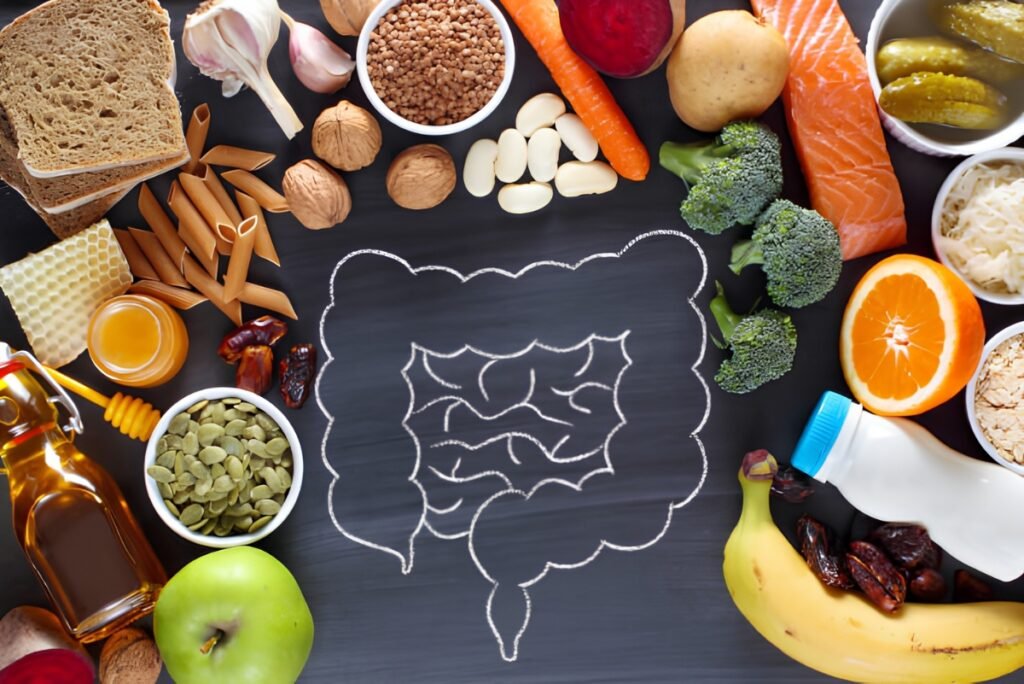
Healthier Dietary Choices
To support better digestion:
- Eat fiber-rich fruits and vegetables
- Include probiotics like yogurt
- Drink enough water
- Limit processed foods
- Eat smaller balanced meals
Simple dietary improvements can significantly improve stomach and colon health over time.
2. Lack of Physical Activity – A sedentary lifestyle slows digestion and affects bowel movement regularity. Physical inactivity is commonly linked with constipation, obesity, and increased abdominal pressure.
How Exercise Helps Digestion
Regular physical activity can:
- Improve bowel movements
- Reduce bloating
- Support healthy metabolism
- Lower obesity risk
- Improve gut circulation
Even moderate exercise such as walking for 30 minutes daily can positively affect gastrointestinal health.
3. Stress and Emotional Health – Stress does not only affect the mind — it also impacts the digestive system.
The gut and brain are closely connected through what doctors call the “gut-brain axis.” Emotional stress can worsen symptoms like the following:
- Acidity
- Stomach pain
- Irritable bowel syndrome (IBS)
- Nausea
- Appetite changes
Many patients notice digestive discomfort becoming worse during stressful situations.
Ways to Reduce Stress for Better Gut Health
- Practice meditation or yoga
- Maintain regular sleep
- Spend time outdoors
- Exercise regularly
- Avoid excessive screen time before bed
Mental well-being plays an important role in maintaining a healthy digestive system.
4. Poor Sleep Habits – Sleep is essential for proper digestive function and overall body repair.
Irregular sleep patterns may:
- Increase acidity
- Affect gut bacteria balance
- Trigger late-night overeating
- Worsen inflammation
Adults should ideally aim for 7–8 hours of quality sleep every night.
5. Smoking and Alcohol Consumption – Smoking and alcohol can seriously damage digestive health over time.
Smoking May Increase Risk Of:
- Acid reflux
- Esophageal disorders
- Stomach ulcers
- Gastrointestinal cancers
Excess Alcohol May Cause:
- Gastritis
- Liver damage
- Pancreatic inflammation
- Intestinal irritation
Reducing or avoiding these habits can significantly improve long-term digestive wellness.
Common Signs of Poor Gut Health
Your body often gives early warning signs when your digestive system is not functioning properly.
- Frequent acidity or heartburn
- Bloating after meals
- Constipation
- Loose motions
- Excess gas
- Abdominal pain
- Nausea
- Difficulty swallowing
- Sudden weight changes
- Fatigue related to poor digestion
Persistent symptoms should always be medically evaluated, especially if they continue for several weeks.
Prevention Tips for a Happy Gut
You don’t have to wait for a problem to arise before taking care of your digestive system. Prevention is always the best medicine.
- Walk After Meals: A gentle 10-minute stroll helps stimulate the muscles in your stomach and intestines.
- Stay Upright: Avoid lying down for at least two hours after eating to protect your esophageal lining from acid.
- Eat Mindfully: Focus on your food, chew thoroughly, and stop eating when you are 80% full.
- Listen to Your Body: If a specific food consistently causes pain, your body is telling you something. Don’t ignore it.
Final Thoughts - Your Gut Deserves Better Care
Your digestive system quietly supports nearly every function in your body. It absorbs what nourishes you, eliminates what doesn’t belong, and communicates directly with your brain, immune system, and hormones. When you treat it poorly through neglect or poor habits, it struggles and eventually, it speaks up through symptoms that are hard to ignore.
The encouraging part is that your gut responds remarkably well to care. Better food choices, more movement, less stress, and consistent sleep can transform how you feel from the inside out. Your gut health is worth it.

