
Bile Duct Cancer Surgery in Ahmedabad
Advanced Surgical Treatment for Bile Duct Cancers
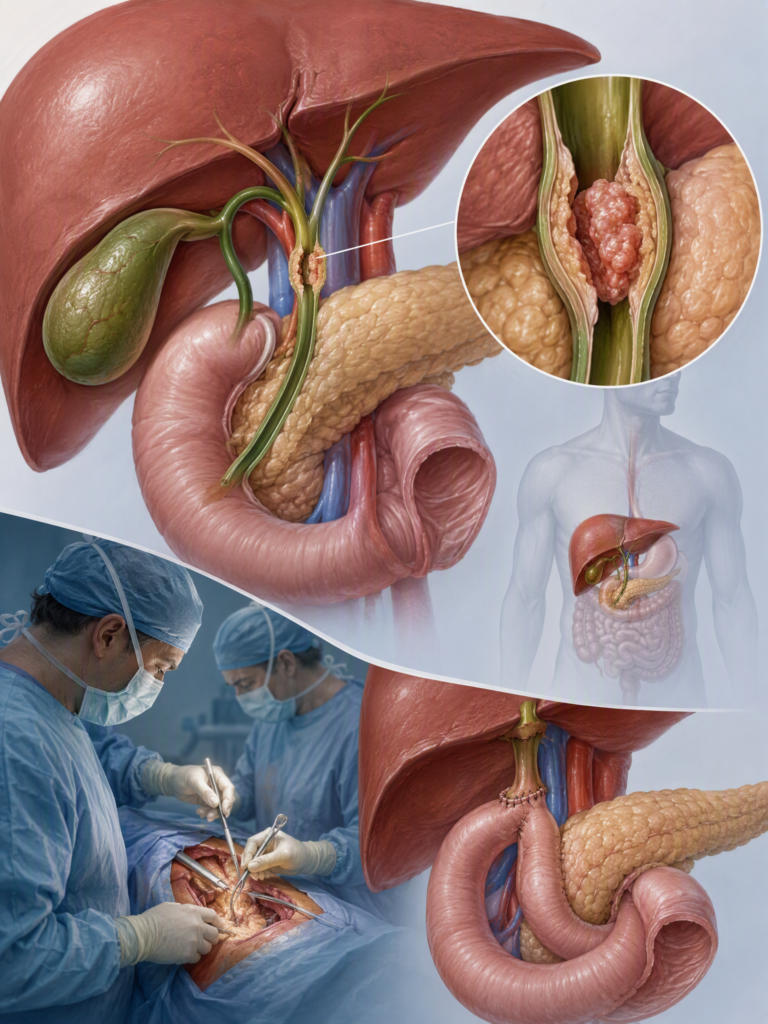
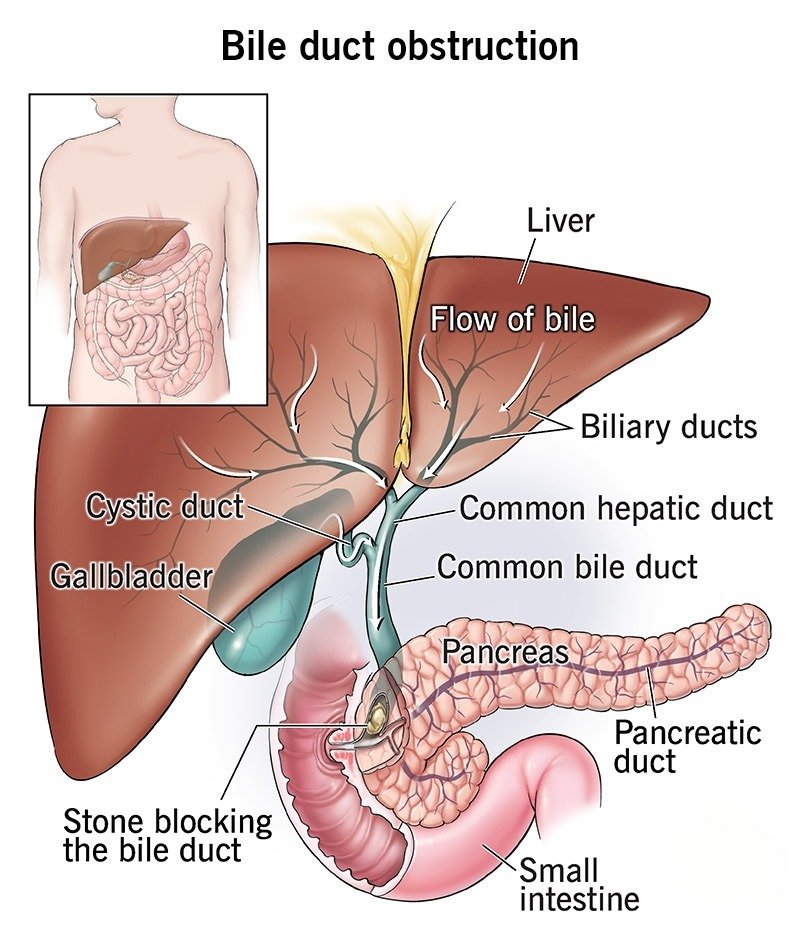
Bile duct cancer, also called cholangiocarcinoma, develops in the tubes that carry bile from the liver and gallbladder to the intestine. The location of the cancer within the bile duct system has an important role in deciding the type of treatment and surgery required.
Surgery may offer the best chance of long-term control when the cancer is localized and can be completely removed. Depending on the location and extent of the tumor, surgery may involve removal of part of the bile duct, part of the liver, the gallbladder, or the pancreas and duodenum.
Dr. Dhaval Patel is a Gastrointestinal, Hepato-Pancreato-Biliary (HPB), and GI Cancer Surgeon in Ahmedabad with specialized training in liver and pancreatic surgery. He provides surgical evaluation and treatment for selected patients with bile duct cancer.
Liver and bile duct cancers are serious conditions that affect essential organs involved in digestion, detoxification, and metabolism. Due to their complex location and close proximity to major blood vessels, these cancers often require highly specialized surgical expertise. Surgical removal of the tumor remains the most effective option for improving long-term survival.
Dr. Dhaval Patel provides comprehensive evaluation and advanced surgical management for liver and bile duct cancers, focusing on precise tumor removal, oncologic safety, and multidisciplinary cancer care.
Signs and Symptoms of Bile Duct Cancer
Jaundice (Yellowing of Skin and Eyes)
Yellowing of the skin and eyes caused by blockage of normal bile flow.

Dark Urine
Urine may become darker when bile cannot flow normally into the intestine.
Pale or Clay-Colored Stools
Reduced bile reaching the intestine can cause stools to become unusually pale.
Persistent Abdominal Pain
Pain or discomfort may occur in the upper or right side of the abdomen and may become more persistent as the disease progresses.
Itching
A buildup of bile substances in the blood may cause persistent itching.
Unexplained Weight Loss
Unintentional weight loss may occur along with reduced appetite and other effects of cancer.
Risk Factors For Bile Duct Cancer
Primary Sclerosing Cholangitis
Chronic inflammation of the bile ducts
Certain bile duct abnormalities
Choledochal cysts
Liver fluke infections
Chronic liver disease
Bile Duct Cancer Surgery
Diagnosis & Staging
Contrast-Enhanced CT Scan
MRI & MRCP
MRI & MRCP
Blood Tests
Blood Tests
Biopsy in Selected Cases
Surgical Treatment Options
Bile Duct Resection
Removal of the affected section of the bile duct along with surrounding tissue when required.
Liver Resection With Bile Duct Resection
For selected perihilar bile duct cancers, part of the liver may need to be removed together with the affected bile ducts to achieve complete tumor removal.
Bile Duct Reconstruction
After the affected bile ducts are removed, the remaining bile ducts may be connected to the intestine to restore the flow of bile.
Whipple Surgery
This operation involves removal of the affected portion of the pancreas, duodenum, gallbladder, and bile duct, followed by reconstruction of the digestive and bile drainage pathways.
Combined Liver & Bile Duct Surgery
Some bile duct cancers require removal of both part of the liver and the affected bile ducts. The extent of surgery depends on the location and spread of the tumor.
Why Consult Dr. Dhaval Patel?
Choosing the right surgeon plays a crucial role in achieving safe surgical outcomes and long term cancer control. Dr. Dhaval Patel combines specialized gastrointestinal cancer expertise with advanced surgical techniques and comprehensive patient centered care to deliver optimal results.
Expertise in Gastrointestinal Cancer Surgery
Extensive experience in managing complex GI cancers with a focus on safe and effective tumor removal.
Experience in Minimally Invasive Techniques
Skilled in advanced laparoscopic approaches when appropriate to reduce pain and recovery time.
Multidisciplinary Treatment Planning
Works closely with oncologists, radiologists, and critical care teams for comprehensive cancer care.
Comprehensive Preoperative Evaluation
Ensures detailed staging and patient optimization before surgery for improved safety.
Structured Long-Term Follow Up Care
Provides ongoing monitoring and support to detect recurrence early and maintain overall health.
FAQs About Bile Duct Cancer Surgery in Ahmedabad
What is bile duct cancer surgery?
Bile duct cancer surgery involves removing the part of the bile duct affected by cancer along with nearby structures when necessary to achieve complete tumor removal.
Is bile duct cancer curable with surgery?
Surgery may offer the possibility of long-term control or cure in selected patients when the cancer is localized and can be completely removed. The outcome depends on the location, stage, and extent of the cancer.
What surgery is required for bile duct cancer?
The operation depends on the location of the cancer. Treatment may involve bile duct resection, liver resection with bile duct reconstruction, or Whipple surgery for selected cancers involving the lower bile duct.
Why is part of the liver removed for bile duct cancer?
Some bile duct cancers, particularly tumors near the liver hilum, involve nearby liver tissue. In these cases, part of the liver may need to be removed along with the affected bile ducts to achieve complete tumor removal.
Is bile duct reconstruction required after surgery?
In many major bile duct operations, reconstruction is required to restore the flow of bile from the liver into the intestine after the affected bile ducts have been removed.
Dr. Dhaval Patel
MCh (Gastrosurgery), MS, MBBS

"Every patient deserves clear guidance, careful surgical planning, and treatment based on the location and extent of the bile duct cancer."
Book Your Consultation With Dr. Dhaval
If you or a loved one has been diagnosed with bile duct cancer or has an abnormality involving the bile ducts, consult Dr. Dhaval Patel for a detailed evaluation and to understand whether surgery or another treatment approach may be appropriate.