
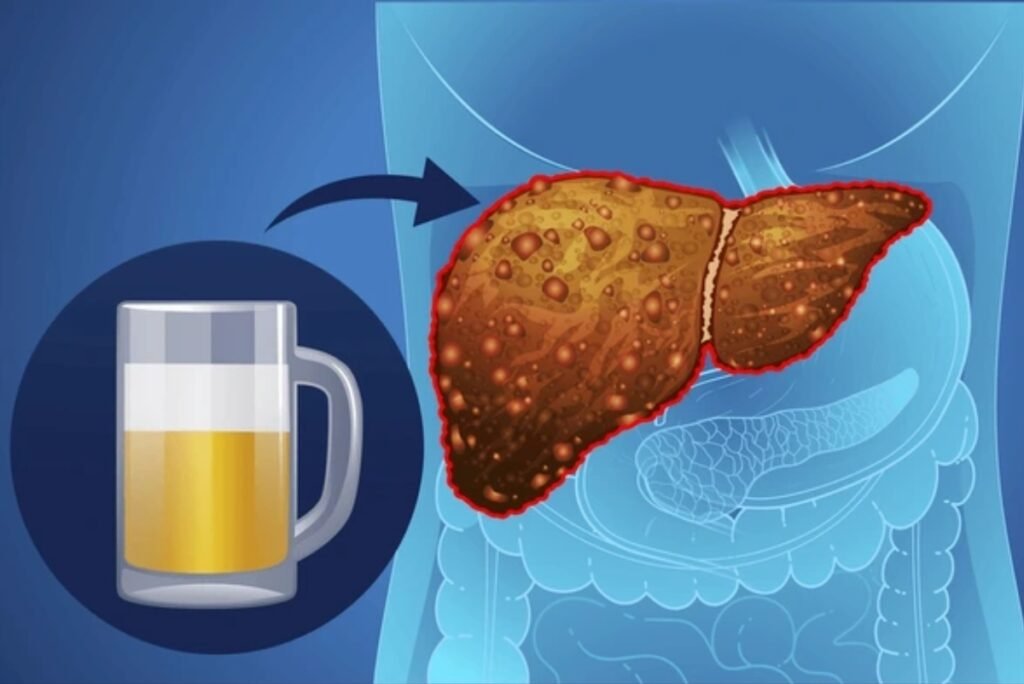
How Alcohol Consumption Affects Liver Cancer Risk
How Alcohol Consumption Affects Liver Cancer Risk Most people know that heavy drinking is bad for the liver. Cirrhosis, fatty liver, hepatitis these are terms that come up in conversations about alcohol and health. But one connection that doesn’t get discussed nearly enough is the link between alcohol consumption and liver cancer. Liver cancer is one of the most serious cancers affecting Indians today, and its incidence is rising. What makes it particularly concerning is that it often develops silently without obvious symptoms until it reaches an advanced stage. For many patients, understanding the role alcohol plays in this risk is the first step toward prevention, early detection, and timely liver cancer surgery if it ever becomes necessary. This article breaks down the relationship between alcohol and liver cancer clearly and honestly for patients, families, and anyone who wants to protect their liver health. How Alcohol Damages the Liver Over Time To understand how alcohol contributes to cancer, it helps to understand what it does to the liver first. The liver is your body’s primary detoxification organ. It processes everything you eat, drink, and absorb including alcohol. When alcohol enters your bloodstream, the liver works to break it down. This process produces a toxic byproduct called acetaldehyde, which damages liver cells at the DNA level. With occasional, moderate drinking, the liver manages this damage. But with chronic or heavy alcohol use, the damage accumulates faster than the liver can repair itself. This leads to a progression that looks like this: The Three-Stage Progression Stage 1 — Alcoholic Fatty Liver (Steatosis) Fat accumulates in liver cells. This stage is largely reversible with abstinence. Most people have no symptoms. Stage 2 — Alcoholic Hepatitis Inflammation and liver cell damage become more pronounced. Symptoms may begin to appear jaundice, abdominal discomfort, nausea. Some cases are severe and require hospitalization. Stage 3 — Cirrhosis Healthy liver tissue is progressively replaced by scar tissue. The liver loses its ability to function normally. Cirrhosis is largely irreversible and is a major risk factor for liver cancer. The medical term for the type of liver cancer most strongly linked to alcohol is hepatocellular carcinoma (HCC) — cancer that originates in the liver’s main cells. Cirrhosis regardless of cause dramatically raises HCC risk. How Strong Is the Link Between Alcohol and Liver Cancer? The evidence is clear and well-established. Chronic heavy alcohol use increases liver cancer risk by 2 to 3 times compared to non-drinkers. The risk increases further when alcohol use is combined with: Chronic hepatitis B or C infection -an extremely common combination in India Non-alcoholic fatty liver disease (NAFLD) -increasingly prevalent with rising obesity rates Diabetes and insulin resistance Smoking Obesity The more of these factors are present simultaneously, the higher the cumulative risk. There is no “safe” level of alcohol for someone who already has chronic liver disease, hepatitis, or cirrhosis. Recognizing the Warning Signs Liver cancer is often called a “silent” disease because early-stage tumors rarely cause noticeable symptoms. By the time most patients feel something is wrong, the cancer may already be at an intermediate or advanced stage. That said, warning signs do appear and knowing them can lead to earlier diagnosis: Unexplained weight loss over weeks or months Loss of appetite or feeling full very quickly Persistent fatigue that rest doesn’t resolve Pain or discomfort in the upper right abdomen Swelling in the abdomen (caused by fluid accumulation a condition called ascites) Yellowing of the skin or eyes (jaundice) Nausea or vomiting without an obvious cause Pale stools or dark urine If you or a family member has a history of heavy alcohol use and you notice any of these symptoms, please seek medical evaluation promptly. Early diagnosis changes outcomes significantly. Treatment Options: From Surgery to Supportive Care Treatment for liver cancer depends on several factors, the stage of the cancer, the size and number of tumors, how well the remaining liver is functioning, and the patient’s overall health. Liver Cancer Surgery: The Best Chance for a Cure For patients with early-stage liver cancer and adequate liver function, liver cancer surgery, specifically surgical resection (removal of the tumor along with a margin of healthy tissue) offers the best chance of a cure. A skilled liver cancer surgeon will assess: Whether the tumor can be completely removed Whether the remaining liver tissue is healthy enough to sustain function after resection Whether the cancer has spread beyond the liver When resection is not possible due to tumor size, location, or poor liver function, liver transplantation may be considered for carefully selected patients. A transplant removes both the cancer and the diseased liver simultaneously, replacing it with a healthy donor liver. Non-Surgical Treatment OptionsWhen surgery isn’t possible — or as a bridge to surgery — several other treatments are available: Ablation therapies: Radiofrequency ablation (RFA) or microwave ablation uses heat to destroy tumor cells. Effective for small tumors. TACE (Trans-Arterial Chemoembolization): A minimally invasive procedure that delivers chemotherapy directly to the tumor through its blood supply, then blocks that supply to starve the tumor. SIRT (Selective Internal Radiation Therapy): Radioactive microspheres are delivered directly to the tumor via its blood vessels. Targeted therapy and immunotherapy: Oral medications and immunotherapy drugs are used for advanced liver cancer, slowing progression and improving survival. The right treatment plan is always individualized. No two patients and no two tumors are identical. Recovery After Liver Cancer Surgery Recovery from liver resection is a gradual process. The liver has a remarkable ability to regenerate — in healthy individuals, a significant portion of liver tissue can regrow after surgical removal. What to expect: Hospital stay: Typically 5–7 days following open resection; shorter for laparoscopic procedures First 2–4 weeks: Rest, light activity, and a careful diet. Fatigue is common and normal. Month 1–3: Gradual return to daily activities. Follow-up imaging and blood tests are scheduled regularly. Ongoing monitoring: Regular surveillance continues after surgery to detect any recurrence early Practical recovery tips: Follow the dietary guidance from your surgical and nutrition team