Uncategorized

Uncategorized

Is Chest Pain After Eating a Warning Sign of Esophageal Cancer?

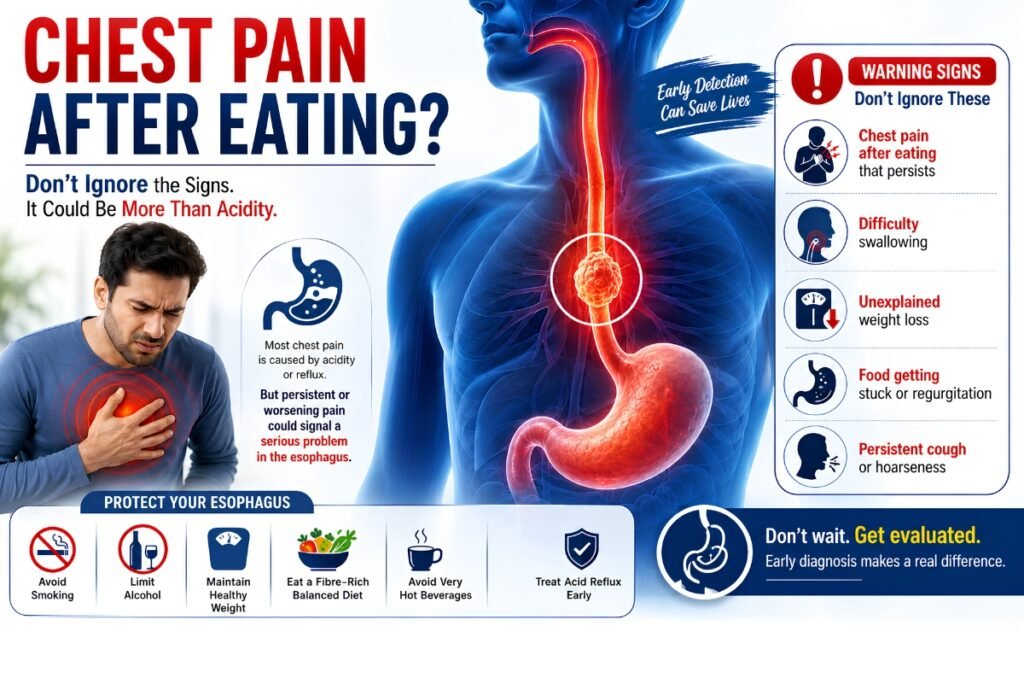
Is Chest Pain After Eating a Warning Sign of Esophageal Cancer? You finish a meal, and a little while later, a tight, burning sensation builds up behind your breastbone. Most people assume it is acidity. Pop an antacid, lie down for a bit, and move on with the day. But what happens when this becomes a pattern? When chest discomfort after eating shows up again and again, week after week, and the usual remedies stop working the way they used to? This is the point where many patients start to worry, often quietly, about something more serious. It is a reasonable concern. While most chest pain after meals comes from common digestive issues, persistent or worsening symptoms can sometimes point toward problems with the food pipe, including, in some cases, esophageal cancer. Understanding the difference matters, especially for anyone exploring esophageal cancer surgery in Ahmedabad or simply trying to make sense of symptoms that have lasted too long. Let’s go through this carefully, one piece at a time. Understanding the Esophagus and Why Chest Pain Happens There The esophagus is the muscular tube that carries food from your throat down to your stomach. It sits right behind the breastbone, which is exactly why problems here are so often mistaken for heart-related chest pain or simple acidity. When something irritates or narrows this tube, such as acid reflux, inflammation, or in rarer cases, a tumor, the result can be discomfort that feels remarkably similar to heartburn. This overlap is precisely why so many serious esophageal conditions go unnoticed for longer than they should. Common, Everyday Causes of Chest Pain After Eating Before anything else, it helps to know that chest discomfort after meals is usually nothing alarming. The most frequent culprits include the following: Acid reflux (GERD): Stomach acid traveling back up into the esophagus, causing a burning sensation. Eating too quickly or overeating: Puts extra pressure on the stomach and lower esophagus. Spicy or oily food: Common triggers for reflux-type discomfort. Gas and bloating: Can sometimes radiate upward and feel like chest tightness. Esophageal spasm: A temporary, harmless tightening of the esophageal muscles. For most people, these causes explain the occasional discomfort completely, and simple lifestyle changes are usually enough to settle things down. When Chest Pain After Eating Becomes a Concern The shift happens when the pattern changes. A single uncomfortable evening after a heavy dinner is very different from chest discomfort that shows up almost every time you eat, regardless of what is on your plate. Pay Closer Attention If You Notice: Chest pain after eating that has continued for several weeks Discomfort that is no longer relieved by antacids that used to work A sensation of food getting “stuck” while swallowing Pain that is gradually getting worse rather than staying the same None of these signs alone confirm anything serious. But together, they are exactly the kind of pattern a doctor would want to examine more closely. Symptoms That Often Accompany Concerning Chest Pain Esophageal cancer rarely shows up as chest pain alone. It is usually the combination of symptoms that raises genuine concern: Difficulty swallowing (dysphagia): Often starts with solid foods feeling like they are catching in the throat or chest and can progress over time. Unintentional weight loss: Losing weight without any change in diet, sometimes because eating itself has become uncomfortable. Persistent hoarseness or cough: Can occur when the esophagus or nearby structures are affected. Regurgitation of food: Bringing up undigested food, which is different from typical acid reflux. Feeling of fullness or pressure behind the breastbone, even after small meals. Chronic indigestion that does not respond to usual treatment. If chest pain after eating is showing up alongside even one or two of these symptoms, it is worth getting it looked at rather than waiting for things to improve on their own. Who Is at Higher Risk? Some people are more likely than others to develop esophageal problems, including cancer. Knowing where you stand can help you decide how seriously to take ongoing symptoms. Long-standing acid reflux (GERD): Years of untreated reflux can damage the esophageal lining over time. Barrett’s esophagus: A condition where the esophageal lining changes due to chronic acid exposure, considered a precancerous state. Smoking and tobacco use: A major risk factor for esophageal cancer. Heavy alcohol consumption: Especially when combined with smoking. Obesity: Linked to increased acid reflux and esophageal changes. Very hot beverages consumed regularly: Frequent tea or coffee at very high temperatures has been associated with increased risk in some studies. Age above 50 and male sex: Esophageal cancer is more common in older men, though it can occur in women too. If several of these apply to you, it is worth being a little more attentive to symptoms that others might brush off. Treatment Options for Esophageal Cancer When esophageal cancer is confirmed, treatment is planned around the stage of the disease, and today’s options offer considerably better outcomes than they did even a decade ago. Surgery (Esophagectomy) – For cancers caught at an operable stage, surgery to remove the affected portion of the esophagus, called an esophagectomy, remains the cornerstone of curative treatment. The remaining esophagus is then reconnected, often using part of the stomach to restore the digestive pathway. Many of these procedures can now be performed using minimally invasive or robotic techniques, allowing for smaller incisions, reduced blood loss, and a meaningfully faster recovery compared to traditional open surgery. Chemotherapy and Radiation Therapy – These are frequently combined with surgery, often given before the operation to shrink the tumor and improve surgical outcomes, known as neoadjuvant therapy. In some cases, they may be used alone when surgery is not suitable. Endoscopic Treatments – For very early-stage cancers confined to the inner lining, endoscopic procedures can sometimes remove the cancer without the need for major surgery. Why Early Treatment Makes Such a Meaningful Difference Esophageal cancer outcomes are strongly tied to how early it is caught. Early-stage disease: Often treatable with surgery, sometimes

Uncategorized

Could Constant Bloating Be a Sign of Stomach Cancer?

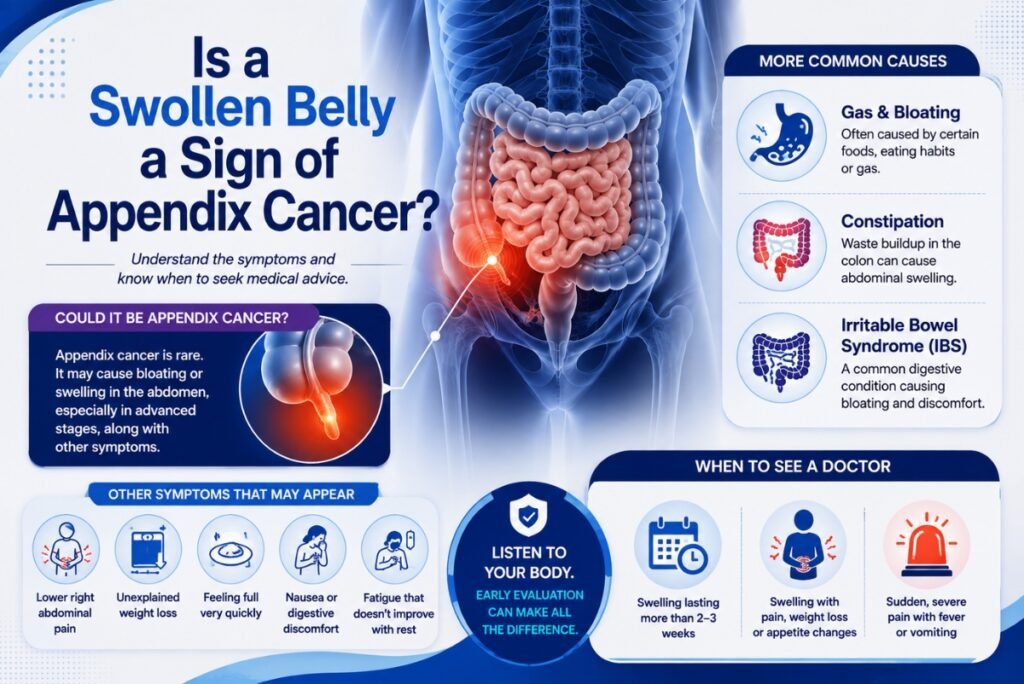
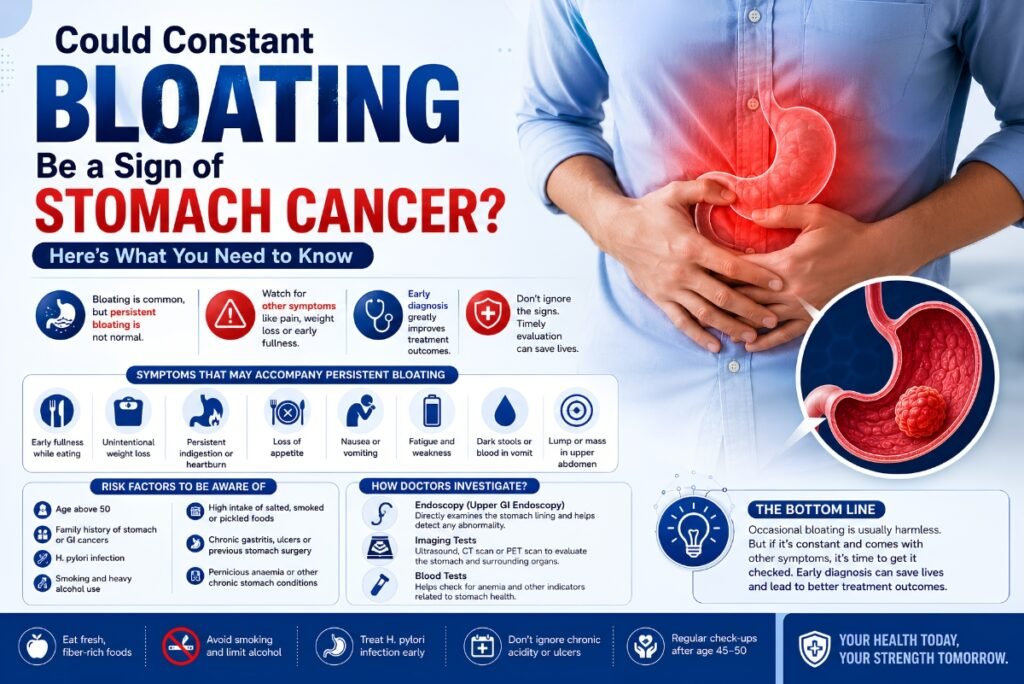
Could Constant Bloating Be a Sign of Stomach Cancer? Almost everyone feels bloated once in a while. A heavy meal, too much chai and a stressful week, and suddenly your stomach feels tight and uncomfortable. Most of the time, it passes on its own. But what if the bloating never really goes away? What if it has been weeks, maybe months, and you have started wondering whether something more serious is going on? This is a question many patients quietly carry with them before they ever say it out loud to a doctor. And it is a fair question to ask. While bloating is usually harmless, persistent bloating that does not improve can sometimes point to underlying stomach conditions, including, in rare cases, stomach cancer. Understanding when bloating is ordinary and when it needs a specialist’s attention can make a real difference, especially for patients exploring options for stomach cancer surgery in Ahmedabad. Let’s walk through this together, calmly and clearly. Why Bloating Happens in the First Place Before jumping to worst-case scenarios, it helps to understand that bloating has many everyday causes. Your stomach and intestines are sensitive to: Eating too quickly or overeating Gas-forming foods like beans, cabbage, or carbonated drinks Lactose or gluten intolerance Acidity and indigestion Stress and irregular eating habits Constipation In the vast majority of cases, bloating is linked to one of these everyday triggers. A single episode, or occasional bloating after specific meals, is rarely a cause for alarm. The concern grows when bloating becomes a constant companion, something that lingers day after day, week after week, without any clear dietary trigger. When Bloating Starts Looking Different There is a meaningful difference between “I feel bloated after biryani” and “I feel bloated almost every single day, regardless of what I eat. “The second pattern deserves attention. Persistent, Unexplained Bloating – If your abdomen feels swollen or tight most days, without a clear connection to specific foods, this is the kind of bloating that should not be brushed aside. Especially when it lasts more than two to three weeks. Bloating Accompanied by Other Symptoms – Bloating on its own is rarely the only red flag. What doctors look at more closely is bloating combined with other changes in the body. This combination matters far more than bloating alone Symptoms That Often Accompany Concerning Bloating Here are signs that, when they appear alongside ongoing bloating, warrant a proper medical evaluation: Early fullness while eating , feeling full after just a few bites, even though you have barely eaten anything Unintentional weight loss , losing weight without changing your diet or activity level Persistent indigestion or heartburn , especially if it is new and does not respond to usual antacids Loss of appetite,food simply stops feeling appealing, even favourite dishes Nausea or occasional vomiting , without an obvious cause like food poisoning Fatigue that does not improve with rest Dark stools or visible blood in vomit , a sign that should never be ignored, ever A feeling of a lump or mass in the upper abdomen None of these symptoms alone confirms cancer. But together, especially when bloating refuses to settle, they form a pattern worth investigating properly. Risk Factors That Make Bloating Worth a Closer Look Some patients are at higher risk of stomach-related conditions and should be more attentive to persistent symptoms: Age above 50: stomach cancer risk increases with age Family history: a parent or sibling with stomach or other GI cancers pylori infection : a common stomach bacterial infection linked to chronic gastritis and ulcers Smoking and heavy alcohol use High intake of salted, smoked, or pickled foods : a dietary pattern fairly common across parts of India Previous stomach surgery or chronic gastric ulcers Pernicious anaemia or other chronic stomach conditions If you fall into one or more of these categories and have been dealing with ongoing bloating, it is worth being a little more proactive rather than waiting it out. Treatment Options When Stomach Cancer Is Confirmed If a diagnosis of stomach cancer is confirmed, it is natural to feel overwhelmed. But treatment today has advanced considerably, and outcomes depend heavily on how early the cancer is caught. Surgery – Surgery remains the primary treatment for stomach cancer when it is detected at an operable stage. Depending on the location and extent of the tumor, this may involve the following: Partial gastrectomy , removal of the affected portion of the stomach Total gastrectomy , removal of the entire stomach, with the oesophagus connected directly to the small intestine Lymph node dissection , removal of nearby lymph nodes to check for and prevent spread Many of these procedures can now be performed using laparoscopic or robotic techniques, which involve smaller incisions, less blood loss, and a noticeably faster recovery compared to traditional open surgery. Chemotherapy and Targeted Therapy – Chemotherapy is often combined with surgery, sometimes before the operation to shrink the tumor and sometimes after to reduce the chance of recurrence. In specific cases, targeted therapies and immunotherapy may also be considered. Why Early Treatment Makes Such a Big Difference This point cannot be stressed enough. Stomach cancer detected at an early stage has a significantly better outlook than cancer found after it has spread. Early-stage cancer: Often treatable with surgery alone, with good long-term survival. Locally advanced cancer: Treated with a combination of surgery and chemotherapy, with reasonably good outcomes in many patients. Advanced or metastatic cancer: Treatment focuses on controlling the disease and maintaining quality of life. The earlier the diagnosis, the more treatment options remain on the table, and the gentler those options tend to be on the body. Recovery Tips After Stomach Cancer Surgery If surgery becomes necessary, recovery is gradual but very manageable with the right guidance. Eat small, frequent meals. After stomach surgery, your digestive system needs time to adjust to smaller portions. Prioritise protein-rich, soft foods. This supports healing and helps maintain strength. Stay upright after meals. This simple habit reduces discomfort

Uncategorized

How Alcohol Consumption Affects Liver Cancer Risk

How Alcohol Consumption Affects Liver Cancer Risk Most people know that heavy drinking is bad for the liver. Cirrhosis, fatty liver, hepatitis these are terms that come up in conversations about alcohol and health. But one connection that doesn’t get discussed nearly enough is the link between alcohol consumption and liver cancer. Liver cancer is one of the most serious cancers affecting Indians today, and its incidence is rising. What makes it particularly concerning is that it often develops silently without obvious symptoms until it reaches an advanced stage. For many patients, understanding the role alcohol plays in this risk is the first step toward prevention, early detection, and timely liver cancer surgery if it ever becomes necessary. This article breaks down the relationship between alcohol and liver cancer clearly and honestly for patients, families, and anyone who wants to protect their liver health. How Alcohol Damages the Liver Over Time To understand how alcohol contributes to cancer, it helps to understand what it does to the liver first. The liver is your body’s primary detoxification organ. It processes everything you eat, drink, and absorb including alcohol. When alcohol enters your bloodstream, the liver works to break it down. This process produces a toxic byproduct called acetaldehyde, which damages liver cells at the DNA level. With occasional, moderate drinking, the liver manages this damage. But with chronic or heavy alcohol use, the damage accumulates faster than the liver can repair itself. This leads to a progression that looks like this: The Three-Stage Progression Stage 1 — Alcoholic Fatty Liver (Steatosis) Fat accumulates in liver cells. This stage is largely reversible with abstinence. Most people have no symptoms. Stage 2 — Alcoholic Hepatitis Inflammation and liver cell damage become more pronounced. Symptoms may begin to appear jaundice, abdominal discomfort, nausea. Some cases are severe and require hospitalization. Stage 3 — Cirrhosis Healthy liver tissue is progressively replaced by scar tissue. The liver loses its ability to function normally. Cirrhosis is largely irreversible and is a major risk factor for liver cancer. The medical term for the type of liver cancer most strongly linked to alcohol is hepatocellular carcinoma (HCC) — cancer that originates in the liver’s main cells. Cirrhosis regardless of cause dramatically raises HCC risk. How Strong Is the Link Between Alcohol and Liver Cancer? The evidence is clear and well-established. Chronic heavy alcohol use increases liver cancer risk by 2 to 3 times compared to non-drinkers. The risk increases further when alcohol use is combined with: Chronic hepatitis B or C infection -an extremely common combination in India Non-alcoholic fatty liver disease (NAFLD) -increasingly prevalent with rising obesity rates Diabetes and insulin resistance Smoking Obesity The more of these factors are present simultaneously, the higher the cumulative risk. There is no “safe” level of alcohol for someone who already has chronic liver disease, hepatitis, or cirrhosis. Recognizing the Warning Signs Liver cancer is often called a “silent” disease because early-stage tumors rarely cause noticeable symptoms. By the time most patients feel something is wrong, the cancer may already be at an intermediate or advanced stage. That said, warning signs do appear and knowing them can lead to earlier diagnosis: Unexplained weight loss over weeks or months Loss of appetite or feeling full very quickly Persistent fatigue that rest doesn’t resolve Pain or discomfort in the upper right abdomen Swelling in the abdomen (caused by fluid accumulation a condition called ascites) Yellowing of the skin or eyes (jaundice) Nausea or vomiting without an obvious cause Pale stools or dark urine If you or a family member has a history of heavy alcohol use and you notice any of these symptoms, please seek medical evaluation promptly. Early diagnosis changes outcomes significantly. Treatment Options: From Surgery to Supportive Care Treatment for liver cancer depends on several factors, the stage of the cancer, the size and number of tumors, how well the remaining liver is functioning, and the patient’s overall health. Liver Cancer Surgery: The Best Chance for a Cure For patients with early-stage liver cancer and adequate liver function, liver cancer surgery, specifically surgical resection (removal of the tumor along with a margin of healthy tissue) offers the best chance of a cure. A skilled liver cancer surgeon will assess: Whether the tumor can be completely removed Whether the remaining liver tissue is healthy enough to sustain function after resection Whether the cancer has spread beyond the liver When resection is not possible due to tumor size, location, or poor liver function, liver transplantation may be considered for carefully selected patients. A transplant removes both the cancer and the diseased liver simultaneously, replacing it with a healthy donor liver. Non-Surgical Treatment OptionsWhen surgery isn’t possible — or as a bridge to surgery — several other treatments are available: Ablation therapies: Radiofrequency ablation (RFA) or microwave ablation uses heat to destroy tumor cells. Effective for small tumors. TACE (Trans-Arterial Chemoembolization): A minimally invasive procedure that delivers chemotherapy directly to the tumor through its blood supply, then blocks that supply to starve the tumor. SIRT (Selective Internal Radiation Therapy): Radioactive microspheres are delivered directly to the tumor via its blood vessels. Targeted therapy and immunotherapy: Oral medications and immunotherapy drugs are used for advanced liver cancer, slowing progression and improving survival. The right treatment plan is always individualized. No two patients and no two tumors are identical. Recovery After Liver Cancer Surgery Recovery from liver resection is a gradual process. The liver has a remarkable ability to regenerate — in healthy individuals, a significant portion of liver tissue can regrow after surgical removal. What to expect: Hospital stay: Typically 5–7 days following open resection; shorter for laparoscopic procedures First 2–4 weeks: Rest, light activity, and a careful diet. Fatigue is common and normal. Month 1–3: Gradual return to daily activities. Follow-up imaging and blood tests are scheduled regularly. Ongoing monitoring: Regular surveillance continues after surgery to detect any recurrence early Practical recovery tips: Follow the dietary guidance from your surgical and nutrition team

Uncategorized

Is Weight Loss Surgery Right for You? Understanding BMI, Eligibility & Options

Is Weight Loss Surgery Right for You? Understanding BMI, Eligibility & Options You’ve tried diets. You’ve tried exercise programs. Maybe you’ve lost weight, only to gain it back and then some. If this sounds like your story, you are not alone, and more importantly, you are not failing. Obesity is a complex medical condition, not a willpower problem. For many people living with severe obesity, offer a medically proven path to lasting weight loss, one that diets alone simply cannot achieve. But surgery is a big decision, and the questions patients have are real: Am I eligible? Is it safe? What will my life look like afterward? This article is written to help you find honest answers to those questions so you can walk into any consultation feeling informed, not overwhelmed. Understanding Obesity as a Medical Condition Before talking about surgery, it’s worth stepping back and understanding why obesity is so difficult to treat through lifestyle changes alone. Obesity isn’t simply a matter of eating too much. It involves hormonal changes, genetic factors, metabolic shifts, and psychological patterns that work together to defend the body’s higher weight. When you lose weight through dieting, your body actively works against you, slowing metabolism, increasing hunger hormones, and reducing satiety signals. This is why so many people regain weight after dieting. It’s not a character flaw. It’s biology. Obesity significantly increases the risk of: Type 2 diabetes High blood pressure and heart disease Sleep apnea Fatty liver disease (NAFLD) Joint problems, particularly knees and hips Polycystic ovary syndrome (PCOS) in women Certain cancers Depression and anxiety When obesity reaches a certain severity, typically classified by BMI, bariatric surgery becomes a medically recognized treatment, not just a cosmetic choice. What Does BMI Have to Do With It? BMI, or Body Mass Index, is a simple calculation based on your height and weight. It’s an imperfect tool, but it remains a widely used screening measure in clinical settings. Here’s how it’s generally categorized: BMI 18.5–24.9 – Normal range BMI 25–29.9 – Overweight BMI 30–34.9 – Obese (Class I) BMI 35–39.9 – Obese (Class II) BMI 40 and above – Severely obese (Class III) For bariatric surgery eligibility, standard international guidelines suggest: BMI ≥ 40 – Eligible regardless of other conditions BMI ≥ 35 with at least one obesity-related health condition (diabetes, hypertension, sleep apnea, etc.) BMI ≥ 30 – May be considered in select cases, particularly for patients with poorly controlled Type 2 diabetes In the Indian context, these thresholds are sometimes adjusted slightly lower, as research shows that Asian populations face metabolic complications at lower BMI values than Western populations. BMI is a starting point, not the whole picture. Your overall health, medical history, and personal goals matter just as much. Am I a Candidate for Bariatric Surgery? Eligibility for obesity and bariatric surgery isn’t decided by a single number. A thorough evaluation considers multiple factors: Medical Criteria BMI within the surgical range (as above) Presence of obesity-related comorbidities History of prior weight loss attempts (typically 6 months or more of supervised effort) No untreated psychiatric conditions that could affect surgical outcomes No active substance abuse Who May Not Be Suitable Patients with certain uncontrolled medical conditions Those who haven’t genuinely attempted lifestyle-based weight management Patients who are not psychologically prepared for the lifestyle changes surgery requires The pre-surgical evaluation typically includes blood tests, heart assessment, nutritional screening, a psychological evaluation, and consultations with a multidisciplinary team. This isn’t a hurdle -it’s protection. Surgery works best when patients are prepared. Exploring Key Surgical Options for Weight Loss Bariatric treatments work by fundamentally changing how your digestive tract processes food. Modern surgical procedures are performed using minimally invasive laparoscopic surgery, meaning surgeons work through tiny keyhole punctures instead of making a large open incision. Let’s look at the two most frequently performed surgeries to see how they change the stomach’s structure. Laparoscopic Gastric Sleeve (Sleeve Gastrectomy)A gastric sleeve procedure involves removing approximately 75% to 80% of the stomach, leaving behind a narrow, banana-shaped gastric tube or “sleeve.” This helps you lose weight in two distinct ways. First, it greatly limits the volume of food you can comfortably eat at one time, helping you feel full much faster. Second, removing that portion of the stomach significantly lowers your body’s production of ghrelin, often referred to as the “hunger hormone.” As a result, your baseline daily appetite drops dramatically. Laparoscopic Gastric Bypass (Roux-en-Y)A gastric bypass is a slightly more complex, dual-action procedure. The surgeon creates a tiny pouch at the very top of the stomach and connects it directly to a lower section of the small intestine, completely bypassing the rest of the stomach and the initial segment of the bowel. This approach works through restriction and malabsorption. Not only do you consume much less food, but your body also absorbs fewer calories and nutrients from the food you do eat. Gastric bypass is widely considered an excellent option for individuals dealing with long-term, poorly controlled type 2 diabetes or severe, chronic acid reflux. Recovery: What the First Year Looks Like Surgery is the beginning, not the finish line. The first year after bariatric surgery is a time of significant physical and behavioral adjustment. First 2 weeks: liquid diet, rest, short walks. Fatigue is normal. Weeks 2–6: Soft foods introduced gradually. Energy begins returning. Follow-up appointments are important during this phase. Months 2–6: Most patients return to work (desk jobs earlier, physical jobs later). Significant weight loss is occurring. Regular nutritional supplements are essential. Months 6–12: Diet normalizes further. Exercise becomes a cornerstone. Many obesity-related conditions begin resolving. Practical recovery tips: Never skip your nutritional supplements – vitamin deficiencies are a real risk after bariatric surgery Eat slowly and chew food thoroughly Avoid drinking liquids with meals, as this can stretch the new stomach pouch Attend every follow-up appointment – your team is your support system Seek help if you notice emotional eating patterns re-emerging; this is common and treatable The Emotional Side Nobody Talks About

Uncategorized

How Lifestyle Habits Affect Gut Health And Why It Matters More Than You Think

How Lifestyle Habits Affect Gut Health And Why It Matters More Than You Think We often think of our digestive system as a simple machine, food goes in, energy comes out, and waste is removed. But if you have ever felt “butterflies” in your stomach before a big presentation or experienced a heavy, bloated sensation after a stressful week, you know the truth is much more complex. Our gut is a sensitive ecosystem, deeply influenced by how we move, how we sleep, and even how we breathe.Digestive problems are among the most common health complaints in India today. From simple acidity to more complex issues like colon disorders, gallbladder disease, hernias, or esophageal reflux, many of these conditions are either triggered or worsened by everyday lifestyle habits. The good news? A lot of it is within your control. This article breaks it all down — simply, honestly, and practically. Your Gut Does More Than Digest Food Before we talk about what damages gut health, it helps to understand what the gut actually does. Your gastrointestinal (GI) system is a long, complex pathway starting from the esophagus, moving through the stomach, into the small and large intestines (colon), and supported by organs like the gallbladder and liver. This system doesn’t just break down food. It absorbs nutrients, eliminates waste, regulates hormones, and plays a significant role in immunity. When something disrupts this delicate balance, whether it’s your diet, sleep pattern, or activity level, you feel it. How Everyday Habits Quietly Damage Your Gut 1. Unhealthy Eating Patterns – Food choices have a direct impact on gastrointestinal health. Diets high in processed foods, oily meals, sugar, and fast food can irritate the stomach lining and disturb healthy gut bacteria. Harmful Eating Habits Include: Skipping meals Eating late at night Overeating Excess spicy food High intake of fried foods Low fiber consumption These habits may contribute to: Acid reflux Gastritis Constipation Irritable bowel symptoms Gallbladder issues Healthier Dietary Choices To support better digestion: Eat fiber-rich fruits and vegetables Include probiotics like yogurt Drink enough water Limit processed foods Eat smaller balanced meals Simple dietary improvements can significantly improve stomach and colon health over time. 2. Lack of Physical Activity – A sedentary lifestyle slows digestion and affects bowel movement regularity. Physical inactivity is commonly linked with constipation, obesity, and increased abdominal pressure. How Exercise Helps Digestion Regular physical activity can: Improve bowel movements Reduce bloating Support healthy metabolism Lower obesity risk Improve gut circulation Even moderate exercise such as walking for 30 minutes daily can positively affect gastrointestinal health. 3. Stress and Emotional Health – Stress does not only affect the mind — it also impacts the digestive system. The gut and brain are closely connected through what doctors call the “gut-brain axis.” Emotional stress can worsen symptoms like the following: Acidity Stomach pain Irritable bowel syndrome (IBS) Nausea Appetite changes Many patients notice digestive discomfort becoming worse during stressful situations. Ways to Reduce Stress for Better Gut Health Practice meditation or yoga Maintain regular sleep Spend time outdoors Exercise regularly Avoid excessive screen time before bed Mental well-being plays an important role in maintaining a healthy digestive system. 4. Poor Sleep Habits – Sleep is essential for proper digestive function and overall body repair. Irregular sleep patterns may: Increase acidity Affect gut bacteria balance Trigger late-night overeating Worsen inflammation Adults should ideally aim for 7–8 hours of quality sleep every night. 5. Smoking and Alcohol Consumption – Smoking and alcohol can seriously damage digestive health over time. Smoking May Increase Risk Of: Acid reflux Esophageal disorders Stomach ulcers Gastrointestinal cancers Excess Alcohol May Cause: Gastritis Liver damage Pancreatic inflammation Intestinal irritation Reducing or avoiding these habits can significantly improve long-term digestive wellness. Common Signs of Poor Gut Health Your body often gives early warning signs when your digestive system is not functioning properly. Frequent acidity or heartburn Bloating after meals Constipation Loose motions Excess gas Abdominal pain Nausea Difficulty swallowing Sudden weight changes Fatigue related to poor digestion Persistent symptoms should always be medically evaluated, especially if they continue for several weeks. Prevention Tips for a Happy Gut You don’t have to wait for a problem to arise before taking care of your digestive system. Prevention is always the best medicine. Walk After Meals: A gentle 10-minute stroll helps stimulate the muscles in your stomach and intestines. Stay Upright: Avoid lying down for at least two hours after eating to protect your esophageal lining from acid. Eat Mindfully: Focus on your food, chew thoroughly, and stop eating when you are 80% full. Listen to Your Body: If a specific food consistently causes pain, your body is telling you something. Don’t ignore it. Final Thoughts – Your Gut Deserves Better Care Your digestive system quietly supports nearly every function in your body. It absorbs what nourishes you, eliminates what doesn’t belong, and communicates directly with your brain, immune system, and hormones. When you treat it poorly through neglect or poor habits, it struggles and eventually, it speaks up through symptoms that are hard to ignore. The encouraging part is that your gut responds remarkably well to care. Better food choices, more movement, less stress, and consistent sleep can transform how you feel from the inside out. Your gut health is worth it.

Uncategorized

Fuel Your Gut: The Best Foods for a Healthy Digestive System

Fuel Your Gut: The Best Foods for a Healthy Digestive System Have you ever finished a meal and felt bloated, uncomfortable, or just… off? You’re not alone. Digestive complaints are among the most common reasons people visit a doctor. From chronic acidity and constipation to more serious conditions like irritable bowel syndrome, the gut is often the first place our body signals that something needs attention. The good news? A large part of your digestive health is within your control and it starts on your plate. What you eat is the single most powerful thing you can do for your gut, every single day. This article walks you through the best foods that actively support your digestive system, why they work, and how to build healthier eating habits that last. Why Digestive Health Deserves More Attention Than It Gets Your digestive tract is more than just a tube that processes food. It is a complex ecosystem home to trillions of bacteria collectively known as the gut microbiome. These tiny residents help break down nutrients, produce essential vitamins, and even communicate with your brain. When this ecosystem is out of balance, you don’t just feel it in your stomach. Poor digestion is linked to fatigue, mood swings, and weakened immunity. By choosing the right foods, you aren’t just “eating”; you are nourishing a vital internal system that keeps you alive and thriving The Best Foods for a Healthy Digestive System 1. High-Fiber Powerhouses: Whole Grains – Fiber is the “broom” of the digestive system. It adds bulk to your stool and keeps things moving smoothly through your intestines. Oats: A bowl of oatmeal in the morning provides beta-glucan, a soluble fiber that feeds good bacteria. Brown Rice and Quinoa: These are much easier on the gut than refined white flour or “maida.” Whole Wheat: Replacing processed bread with whole-grain alternatives can significantly reduce constipation. 2. Probiotic-Rich Foods: Rebuilding Your Gut Flora – Probiotics are live “good” bacteria that replenish your gut microbiome. Curd (Dahi): Perhaps the most accessible probiotic for us. A bowl of fresh, homemade curd with lunch can work wonders for digestion. Kefir or Buttermilk (Chaas): A glass of salted chaas after a spicy meal is not just refreshing; it helps neutralize stomach acid and aids digestion. Fermented Vegetables: Think traditional pickles (in moderation) or kimchi, which provide a diverse range of bacterial strains. 3. Nature’s Digestive Aids: Fruits and Vegetables – Most colorful produce is packed with fiber and antioxidants that reduce inflammation in the gut. Papaya: This tropical favorite contains papain, an enzyme that specifically helps break down tough protein fibers. It’s a staple for many in Ahmedabad for a reason. Apples: High in pectin, a soluble fiber that increases stool volume and helps move it through the digestive tract. Leafy Greens: Spinach and kale are rich in sulfoquinovose, a sugar that feeds healthy gut bacteria while limiting the growth of “bad” bacteria. 4. Healthy Fats – Not all fats are bad. Healthy fats help your body absorb fat-soluble vitamins (A, D, E, and K). Avocados: Packed with fiber and essential nutrients. Chia Seeds and Flaxseeds: These form a gel-like substance in the gut, which helps lubricate the digestive tract and prevents dryness or irritation. 5. Foods to Limit for Better Digestion – Knowing what to eat is important but knowing what to avoid is equally critical: Processed and packaged foods high in salt, additives, and refined carbohydrates that disrupt gut bacteria Fried and oily foods slow digestion and increase acid reflux risk Excess red meat harder to digest and linked to higher colon cancer risk Refined sugar feeds harmful bacteria in the gut Carbonated drinks increase gas and bloating Excessive alcohol damages the stomach lining and reduces beneficial gut bacteria Identifying the Symptoms: When is it more than just “Gas”? Most people dismiss digestive issues as simple acidity or gas. However, if symptoms persist, it is important to pay attention. Look out for: Persistent Bloating: Feeling excessively full even after small meals. Irregular Bowel Habits: Chronic constipation or frequent diarrhea. Heartburn and Reflux: A burning sensation in the chest or throat after eating. Unintentional Weight Loss: If you are losing weight without trying, your gut may not be absorbing nutrients correctly. Practical Tips to Build Gut-Healthy Habits Eat slowly and chew your food thoroughly digestion begins in the mouth. Have smaller, more frequent meals rather than two or three large ones. Don’t lie down immediately after eating; wait at least 30–45 minutes. Include fermented foods in your diet daily. Reduce stress, the gut-brain connection is real, and chronic stress directly impairs digestion. Exercise regularly, even a 30-minute walk after meals aids gut motility. Avoid skipping meals, which can disrupt your gut’s natural rhythm. Your Gut Health Is in Your Hands A healthy digestive system starts with mindful eating habits and nutritious food choices. Simple additions like yogurt, fruits, vegetables, whole grains, and adequate water can significantly improve gut health and overall well-being. At the same time, persistent digestive symptoms should never be ignored. Early medical attention can help identify underlying problems before they become more serious.

Uncategorized

Common Myths and Facts About Digestive Health

Common Myths and Facts About Digestive Health When it comes to digestive health, most of us rely on what we’ve heard from family, friends, or the internet. Some of it is helpful—but much of it can be misleading. Over time, these myths can cause confusion, delay proper care, or even make symptoms worse. As GI surgeons, we often meet patients who say, “I thought this was normal,” or “I heard it would go away on its own.” The truth is, your digestive system is complex, and understanding it correctly can make a big difference to your health. Let’s clear up some of the most common myths and look at the facts in a simple, practical way. Is Your Digestion Really That Bad? Your digestive tract is essentially a long, sophisticated processing plant. It takes in raw materials (your food), breaks them down into energy, and disposes of the waste. When one part of the machine slows down or gets “clogged,” the whole system feels the pressure. Many people believe that digestive issues are just a “normal” part of aging or a side effect of a spicy diet. While our love for spices can play a role, chronic discomfort is never something you should just “live with.” Common Myths vs. Medical Facts Myth: “It’s just acidity, nothing serious.” Fact: Not always. Occasional indigestion after a heavy meal is common. But when symptoms become frequent, persistent, or uncomfortable, it may be a sign of an underlying issue like acid reflux, ulcers, or even early-stage disease. Think of it like a warning light on your car dashboard. One blink may not mean trouble—but repeated signals should not be ignored. Watch out for: Burning sensation in the chest Frequent bloating Sour taste in the mouth Discomfort after eating If these symptoms keep coming back, it’s worth getting evaluated by a specialist. Does Spicy Food Cause Digestive Diseases? Myth: “Spicy food damages your stomach.” Fact: Spices alone are rarely the root cause. Spicy food can irritate the stomach lining in some people, especially if there is already sensitivity. But it does not directly cause serious digestive diseases. The real concern lies in overall eating habits—irregular meals, processed foods, and excess oil can have a bigger impact. Will Digestive Problems Go Away on Their Own? Myth: “Give it time, it will settle.” Fact: Some do, but not all. Minor issues may improve with rest and diet changes. However, persistent symptoms can signal something more serious. Do not ignore if you notice the following: Unexplained weight loss Difficulty swallowing Blood in stool Ongoing abdominal pain Early evaluation helps us understand the cause before it becomes complicated. Is Surgery Always Needed for Digestive Problems? Myth: “If I visit a surgeon, I will need surgery.” Fact: Surgery is only one part of treatment – and often not the first step. Most digestive conditions are managed with medication, lifestyle changes, or minimally invasive procedures. Surgery is recommended only when absolutely necessary. When patients consult the best Gi surgeon in Ahmedabad, the goal is always to choose the safest and least invasive option first Is Skipping Meals Good for Your Gut? Myth: “Eating less or skipping meals helps digestion.” Fact: Irregular eating can actually worsen symptoms. Your digestive system works best on a routine. Skipping meals can lead to increased acidity, bloating, and discomfort. A simple rule: Eat smaller, balanced meals at regular intervals instead of long gaps followed by heavy eating. Are All Digestive Symptoms Related to Food? Myth: “If I avoid certain foods, I’ll be fine.” Fact: Food is just one part of the picture. Digestive health is influenced by: Stress levels Sleep patterns Physical activity Underlying medical conditions For example, stress can tighten your gut muscles, leading to discomfort even if your diet is balanced Can Young People Ignore Digestive Issues? Myth: “I’m young, it can’t be serious.” Fact: Age does not guarantee protection. We are seeing more young patients with digestive concerns today due to lifestyle changes. Early symptoms should always be taken seriously, regardless of age. Signs You Shouldn’t Ignore If you experience these “red flags,” please don’t wait for them to go away on their own: Unexplained weight loss. Persistent difficulty swallowing (the feeling that food is “stuck”). A sudden, sharp change in bowel habits lasting more than two weeks. Severe abdominal pain that keeps you up at night. Visible blood in your stool. A Note from the Dr. Dhaval Patel: The “Walking Clock” Pro-Tip: We love a late-night dinner. However, lying down immediately after a heavy meal is the biggest trigger for acid reflux. Try this: Follow the “2-hour rule.” Finish your last meal at least two hours before you hit the bed. After dinner, take a 10-minute slow walk around your society or balcony. This gentle movement acts like a manual “start button” for your digestion, helping gravity move food out of the stomach and reducing the chance of acid creeping back up.

Uncategorized

Blood in Stool: Should You Worry?

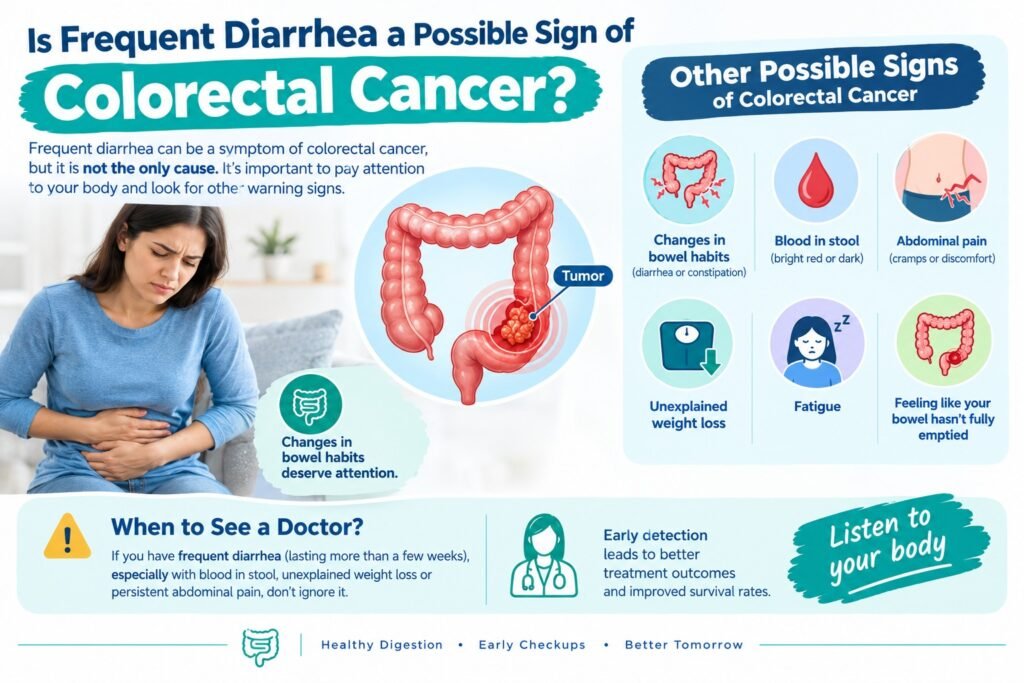
Blood in Stool: Should You Worry? Finding blood in your stool can be a terrifying experience. Your mind likely jumps to the worst-case scenario, and the anxiety can be paralyzing. Whether it’s a bright red spot on the tissue or dark, tarry stools, it is your body’s way of sending a signal. But here is the first thing you need to know: Blood in the stool does not always mean cancer. However, it is a symptom that demands an answer, not a “wait and see” approach. As a GI surgeon in Ahmedabad, Dr. Dhaval Patel frequently meets patients who have ignored this symptom for months, often attributing it to common piles (hemorrhoids). While piles are common, assuming the cause without a professional diagnosis is a risk you shouldn’t take. Why Does Blood Appear in Stool? The medical term for blood in the stool is hematochezia (bright red blood) or melena (dark, tarry blood). The color and consistency often provide the first clue to where the issue lies in your digestive tract. Common (Non-Cancerous) Causes: Hemorrhoids (Piles): Swollen veins in the rectum or anus. This is often characterized by bright red blood after a bowel movement. Fissures: Small tears in the lining of the anus, often caused by constipation. Inflammatory Bowel Disease (IBD): Conditions like ulcerative colitis or Crohn’s disease. Diverticulitis: Small pouches in the colon that become inflamed or infected. The Serious Concern: Colon Cancer While the causes above are common, blood in the stool is one of the primary warning signs of colon cancer. In its early stages, colon cancer often develops from small growths called polyps. These polyps can bleed intermittently long before you feel any physical pain. When “Just Piles” Becomes a Problem The biggest challenge we face in Ahmedabad is the “self-diagnosis” trap. Many people visit a local pharmacy for over-the-counter creams, thinking they have piles. Dr. Dhaval Patel emphasizes that if you are over the age of 40 or if you have a family history of digestive issues, any rectal bleeding should be evaluated by a colon cancer surgeon. Why? Because early-stage colon cancer is highly treatable, often curable, but only if caught before it spreads. What Should You Do Next? If you notice blood, stay calm but take action. Here is the educational roadmap we recommend for every patient: 1. Observe the Color Bright Red: Usually indicates bleeding in the lower colon or rectum. Dark Red/Maroon: May indicate bleeding higher up in the colon. Black/Tarry: Often suggests an issue in the stomach or upper gastrointestinal tract. 2. Check for “Red Flag.” Symptoms : Is the blood accompanied by: Unexplained weight loss? A persistent change in bowel habits (diarrhea or constipation lasting more than two weeks)? A feeling that your bowel isn’t emptying completely? Extreme fatigue or paleness (signs of anemia)? 3. Consult a SpecialistA GI surgeon will likely recommend a colonoscopy. This is the gold standard for colon cancer treatment and prevention. It allows the doctor to see the entire lining of the colon and remove any suspicious polyps on the spot. Treatment Options Depend on the Cause Treatment is based on the exact reason for bleeding. For Minor Causes Medicines Dietary changes Fiber supplements Hydration Treatment for constipation For Polyps or Serious ConditionsPolyps may be removed during colonoscopy. If cancer is diagnosed, colon cancer surgery may be recommended depending on stage and location. Tips to Protect Your Digestive Health Eat a fiber-rich diet Drink enough water Avoid straining during bowel movements Exercise regularly Do not ignore rectal bleeding Get evaluated if symptoms persist Follow routine screening if advised Final Thoughts We understand that talking about bowel movements and rectal bleeding can feel embarrassing or uncomfortable. But in the clinic of Dr. Dhaval Patel, we provide a professional, reassuring, and private environment to discuss these concerns. Whether your symptoms are caused by something simple like a fissure or something complex requiring colon cancer surgery, getting an answer today is the only way to ensure a healthy tomorrow.

Uncategorized

Why Colon Cancer Is Rising in Young Adults

Why Colon Cancer Is Rising in Young Adults For decades, colon cancer was primarily seen as a disease affecting older generations. However, the medical community is now sounding an alarm: cases of colon cancer in adults under 50 are rising at an unsettling rate. If you are in your 20s, 30s, or 40s and living in a fast-paced city like Ahmedabad, you might feel invincible. But ignoring changes in your digestion or dismissing symptoms as “just acidity” is no longer an option. As a leading GI surgeon, Dr. Dhaval Patel has seen firsthand how early detection can transform a scary diagnosis into a success story. Let’s explore why this trend is happening and what you and your family need to know. The Alarming Shift: Why the Younger Generation? According to recent studies, while colon cancer rates are dropping in older adults (thanks to regular screening), they are climbing among younger people. But why? While there isn’t a single “smoking gun,” experts point to a combination of modern lifestyle factors: The “Westernized” Diet In a vibrant food hub like Ahmedabad, it’s easy to indulge. However, diets high in ultra-processed foods, red meats (like mutton or beef), and sugary drinks paired with a lack of fiber are major contributors. These foods can cause inflammation in the gut, potentially leading to cellular changes over time. Sedentary Lifestyles Many young adults spend 8–10 hours a day sitting at desks or in traffic. Physical inactivity is closely linked to obesity, which is a significant risk factor for colon cancer. Changes in the Gut Microbiome Emerging research suggests that environmental factors, including the overuse of antibiotics and high-sugar diets early in life, may be altering our gut bacteria in ways that make the colon more vulnerable to cancer. Delayed Diagnosis The biggest challenge for young adults is the “it can’t happen to me” mindset. Many patients ignore symptoms for months, or their concerns are dismissed by others as common piles (hemorrhoids) or IBS. By the time they see a colon cancer surgeon in Ahmedabad, the cancer may have reached an advanced stage. Signs You Should Never Ignore Colon cancer is often called a “silent” disease because it can grow without symptoms for years. However, pay close attention to these “red flags”: Changes in Bowel Habits: Diarrhea, constipation, or narrowing of the stool that lasts for more than a few days. Rectal Bleeding: Seeing bright red blood or very dark/tarry stools. Abdominal Discomfort: Persistent cramps, gas, or pain. Unexplained Weight Loss: Losing weight without trying is a major warning sign. Fatigue: Feeling weak or tired, often caused by hidden blood loss (anemia). Advanced Colon Cancer Treatment If cancer is detected, the outlook is far from hopeless. Modern colon cancer surgery has evolved. Dr. Dhaval Patel utilizes advanced laparoscopic and robotic techniques, which offer the following: Smaller incisions and less scarring. Reduced pain after surgery. Faster recovery times, helping you get back to your life in Ahmedabad sooner. Reducing Your Risk: Actionable Steps You can take charge of your health starting today. Everyone regardless of age should follow these guidelines: Eat More Fiber: Load up on green leafy vegetables, whole grains, and fruits. Limit Processed Meats: Reduce your intake of sausages, deli meats, and heavily charred foods. Move Your Body: Aim for at least 30 minutes of moderate exercise daily. Know Your Family History: If a close relative had colon cancer or polyps, you may need to start screening much earlier than age 45. Trust Your Gut: Consult Dr. Dhaval Patel Facing a digestive issue can be overwhelming, but you don’t have to navigate it alone. Dr. Dhaval Patel is a highly skilled GI surgeon in Ahmedabad known for his compassionate approach and surgical precision. Whether you are looking for a preventive screening or require a complex colon cancer treatment plan, our goal is to provide world-class care right here in your city. Don’t wait for “somewhere down the road” to check on your health. Early intervention is the most powerful tool we have. Don’t Ignore the Signs. Your health is priority #1.

Uncategorized

Why are young people getting liver problems?

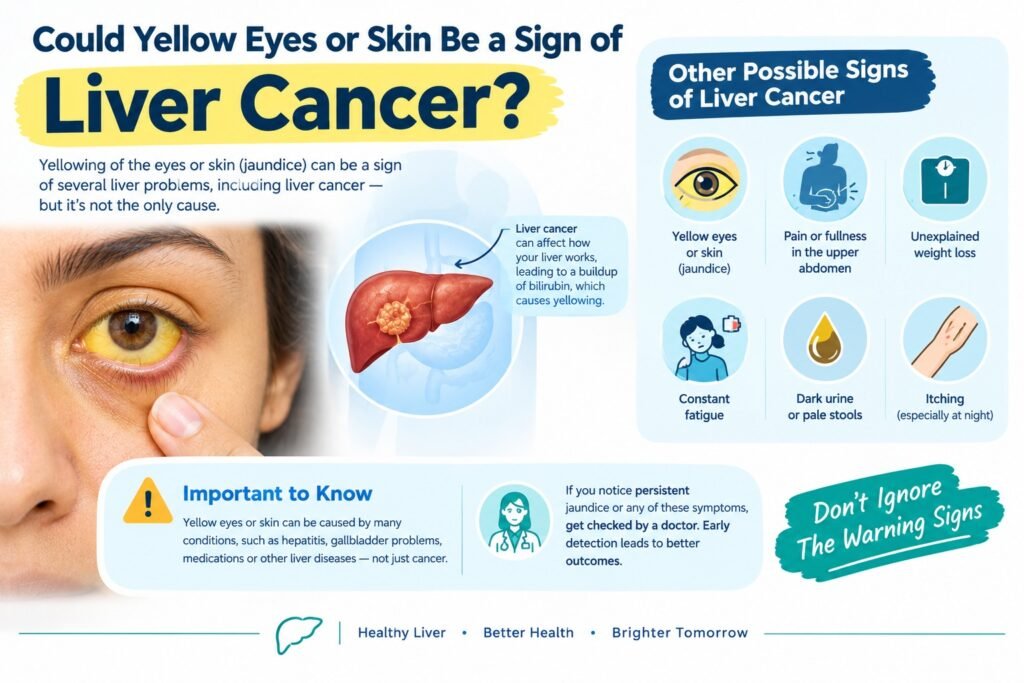
Why are young people getting liver problems? For a long time, liver disease was associated with a lifetime of heavy drinking or advanced age. However, the medical landscape is shifting. Today, GI surgeons across the country are seeing a rise in liver-related complications, including fatty liver and even liver cancer, in patients in their 20s and 30s. If you are living in a fast-paced city like Ahmedabad, your lifestyle might be putting more strain on your liver than you realize. But why is this “silent organ” struggling in the younger generation? As a specialist in complex gastrointestinal health, Dr. Dhaval Patel believes that understanding the “why” is the first step toward prevention and recovery. The Silent Crisis: Why the “Young Liver” is at Risk The liver is a powerhouse; it filters toxins, aids digestion, and regulates energy. But it is also an organ that doesn’t “complain” until the damage is significant. Here are the primary reasons liver problems are surging in young adults: The Rise of NAFLD (Non-Alcoholic Fatty Liver Disease) Perhaps the biggest culprit is the modern diet. High consumption of processed sugars, “junk food,” and trans fats leads to fat accumulation in the liver. In Ahmedabad, where rich, oily, and sugary treats are a part of our vibrant culture, many young professionals are unknowingly developing fatty livers before they even turn 30. Sedentary Work Cultures Sitting is the new smoking. A lack of physical activity slows down metabolism, making it harder for the liver to process fats and sugars. This metabolic sluggishness is a direct precursor to inflammation and long-term liver scarring (cirrhosis). Alcohol and Lifestyle Shifts While not the only cause, social binge drinking among younger populations has increased. Even “weekend drinking” can cause significant oxidative stress on the liver, leading to alcoholic hepatitis or early-onset cirrhosis. Viral Hepatitis (B and C) Many young adults remain unaware of their hepatitis status. Left untreated, chronic hepatitis B or C can lead to severe complications, including the need for liver cancer surgery later in life. Red Flags That May Point to Liver Disease Many liver issues develop slowly and may not show symptoms early. Common warning signs include: Fatigue or weakness Loss of appetite Nausea Pain or heaviness in upper abdomen Unexplained weight loss Yellowing of eyes or skin (jaundice) Swelling in abdomen Dark urine Itchy skin Protecting Your Liver: Steps You Can Take Today The liver is incredibly resilient and has a unique ability to regenerate if given the chance. Here is how you can protect yourself: Watch Your Waistline: Maintaining a healthy weight is the #1 way to prevent fatty liver disease. Limit Sugar and Fructose: Be wary of sugary sodas and hidden sugars in “healthy” packaged snacks. Get Vaccinated: Ensure you are protected against hepatitis B. Regular Screenings: If you have a family history of liver issues or a high BMI, a simple ultrasound can be a lifesaver.   Effective Ways to Treat Liver Disorders Treatment depends on the exact cause and stage of disease. Lifestyle-Based Treatment Weight management Healthy diet Exercise routine Avoiding alcohol Managing diabetes or cholesterol Medicines Used for hepatitis infections, inflammation, or related conditions. Advanced Surgical Care If tumors or serious disease are detected, liver cancer surgery may be advised depending on the patient’s condition.   Final Thoughts Liver problems are no longer limited to older adults. Poor lifestyle habits, obesity, infections, and delayed diagnosis are making liver disease more common in younger people. If you notice symptoms or have concerns about liver health, consult Dr. Dhaval Patel, a trusted Liver Cancer surgeon in Ahmedabad, for expert guidance and advanced treatment options.

Scroll to Top